
1. Purpose of the Test Diagnosing diabetes and prediabetes Monitoring glucose control in individuals with diabetes 2. Test Procedure Meal preparation and carbohydrate intake Blood sample collection exactly two hours after starting the meal 3. Interpreting Results Normal range: Less than 140 mg/dL (7.8 mmol/L) Prediabetes: 140 to 199 mg/dL (7.8 to 11.0 mmol/L) Diabetes: 200 mg/dL (11.1 mmol/L) or higher 4. Preparation and Guidelines Specific meal recommendations Fasting and dietary instructions prior to the test 5. Factors Affecting Test Results Impact of medications Influence of diet, physical activity, stress, and illness 6. Comparison with Other Glucose Tests Differences from fasting blood glucose, HbA1c, and OGTT 7. Clinical Implications Importance for at-risk individuals Monitoring tool for diabetes management. 8. FAQs:Common questions about the test procedure and interpretation


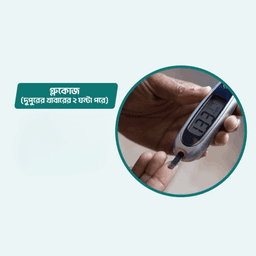
The 2-hour postprandial plasma glucose test measures the level of glucose in the blood exactly two hours after the start of a meal. This test helps evaluate how effectively the body is managing blood sugar levels after eating and is commonly used to diagnose diabetes and monitor blood glucose control in people with diabetes. Purpose: Diagnosis of Diabetes: Helps diagnose diabetes and prediabetes. Monitoring Diabetes: Assesses how well blood glucose levels are managed in individuals with diabetes. Procedure: Preparation: Eat a meal containing a specific amount of carbohydrates. Timing: Exactly two hours after starting the meal, a blood sample is drawn from a vein in the arm. Laboratory Analysis: The blood sample is analyzed to determine the glucose level. Interpretation: Normal Range: Typically less than 140 mg/dL (7.8 mmol/L). Prediabetes: 140-199 mg/dL (7.8-11.0 mmol/L). Diabetes: 200 mg/dL (11.1 mmol/L) or higher. Sample Collection: Blood is collected in a tube that may be gray-topped (containing an anticoagulant and a preservative) to ensure accurate glucose measurement.

Covid Safety
Assured

Free Report
Counselling
Recommended for You


How our test process works!


Sample Type
- Plasma: Blood sample is typically collected from a vein in the arm and analyzed for glucose concentration. Plasma glucose is preferred for accurate results compared to whole blood.
Frequently Asked Question
2 hrs postprandial Plasma glucose
1. Purpose of the Test Diagnosing diabetes and prediabetes Monitoring glucose control in individuals with diabetes 2. Test Procedure Meal preparation and carbohydrate intake Blood sample collection exactly two hours after starting the meal 3. Interpreting Results Normal range: Less than 140 mg/dL (7.8 mmol/L) Prediabetes: 140 to 199 mg/dL (7.8 to 11.0 mmol/L) Diabetes: 200 mg/dL (11.1 mmol/L) or higher 4. Preparation and Guidelines Specific meal recommendations Fasting and dietary instructions prior to the test 5. Factors Affecting Test Results Impact of medications Influence of diet, physical activity, stress, and illness 6. Comparison with Other Glucose Tests Differences from fasting blood glucose, HbA1c, and OGTT 7. Clinical Implications Importance for at-risk individuals Monitoring tool for diabetes management. 8. FAQs:Common questions about the test procedure and interpretation


The 2-hour postprandial plasma glucose test measures the level of glucose in the blood exactly two hours after the start of a meal. This test helps evaluate how effectively the body is managing blood sugar levels after eating and is commonly used to diagnose diabetes and monitor blood glucose control in people with diabetes. Purpose: Diagnosis of Diabetes: Helps diagnose diabetes and prediabetes. Monitoring Diabetes: Assesses how well blood glucose levels are managed in individuals with diabetes. Procedure: Preparation: Eat a meal containing a specific amount of carbohydrates. Timing: Exactly two hours after starting the meal, a blood sample is drawn from a vein in the arm. Laboratory Analysis: The blood sample is analyzed to determine the glucose level. Interpretation: Normal Range: Typically less than 140 mg/dL (7.8 mmol/L). Prediabetes: 140-199 mg/dL (7.8-11.0 mmol/L). Diabetes: 200 mg/dL (11.1 mmol/L) or higher. Sample Collection: Blood is collected in a tube that may be gray-topped (containing an anticoagulant and a preservative) to ensure accurate glucose measurement.
Covid Safety
Assured
Free Report
Counselling
