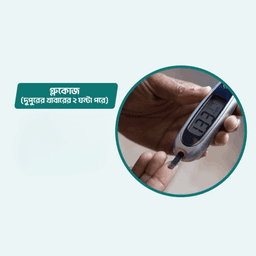
Glucose Tolerance Test
Report in 12 hours
Booked 9 times
Glucose Tolerance Test

Unveiling Metabolic Response for In-Depth Blood Sugar Analysis

The Ibn Sina Trust
Praava Health
Dr Lal PathLabs
Omnicare Diagnostic Limited
Thyrocare Bangladesh Ltd
Brac Healthcare
Popular Diagnostic Centre Ltd
Ascent Health Limited
JG Healthcare
DNA Solution Ltd
Probe Bangladesh Limited
520
650
20% OFF
Sample Type
blood
Fasting Required
No
Description

intake glucose 75mg, The OGTT is used to work up glycosuria without hyperglycemia (eg, to work up renal glycosuria). It is used to predict perinatal morbidity in pregnancy and to diagnose gestational diabetes. Risks of fetal abnormality and perinatal mortality are increased with abnormal carbohydrate metabolism in pregnancy.

Covid Safety

Assured

Free Report

Counselling

How our test process works!

Step 1

Sample Collection

Vaccinated Phlebotomists collects from syringe in the barcoded vials

Step 2

Sample Storage

Only vaccinated phelbos are assigned orders

Step 3

High Tech Facility

Lab ingests the sample into processing machines which are 100% automated

Step 4

Accurate Digital Reports

The reports are generated by the processing machines and clinically correlated by doctors

Overview

The Glucose Tolerance Test measures how well the body processes glucose over time. It involves drinking a glucose solution after fasting, followed by blood samples taken at intervals to assess blood sugar levels.

Risk assessment
The Glucose Tolerance Test (GTT) carries a low risk of complications, including hypoglycemia or nausea, particularly in individuals with reactive hypoglycemia. However, it's generally safe when conducted under medical supervision.
Ranges
Reference ranges vary based on factors such as age, health status, and medical guidelines. Generally, fasting plasma glucose levels below 100 mg/dL (5.6 mmol/L) are considered normal, while two-hour post-load glucose levels below 140 mg/dL (7.8 mmol/L) are also normal.
Test result interpretation
Elevated glucose levels at any point during the test may indicate impaired glucose tolerance or diabetes. The interpretation depends on the specific values and the individual's clinical context.
Sample types
The Glucose Tolerance Test typically requires blood samples collected at multiple time points after drinking a glucose solution. Venous blood samples are commonly used, collected through venipuncture. Additionally, urine samples may be collected to assess urine glucose levels.

Frequently Asked Question