
The 3-hour Glucose Tolerance Test (GTT) is a diagnostic procedure used to assess how efficiently the body processes glucose.


The 3-hour Glucose Tolerance Test (GTT) is a diagnostic procedure used to assess how efficiently the body processes glucose. Initially, a fasting blood sample is taken to measure baseline blood glucose levels. The patient then consumes a glucose-rich beverage, typically containing 100 grams of glucose. Subsequent blood samples are drawn at one, two, and three-hour intervals after ingestion. These samples are analyzed to monitor blood glucose levels over time, helping to diagnose conditions like gestational diabetes or other forms of glucose intolerance. The test's results indicate how well the body manages sugar, identifying potential abnormalities in insulin function.

Covid Safety
Assured

Free Report
Counselling
Recommended for You


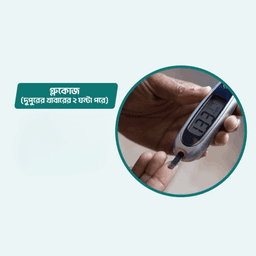
How our test process works!

The 3-hour glucose tolerance test (GTT) evaluates how the body processes glucose over a period of time. It is primarily used to diagnose gestational diabetes in pregnant women but can also assess glucose metabolism disorders like prediabetes and diabetes mellitus.
Procedure
- Preparation: Fast for 8-12 hours prior to the test.
- Sample Type: Blood samples are taken from a vein.
- Test Steps:
- Fasting blood glucose level is measured.
- A glucose solution (usually 75-100 grams) is consumed.
- Blood samples are collected at 1, 2, and 3-hour intervals to track glucose levels.

Risk Assessment
- Populations at risk:
- Pregnant women (gestational diabetes risk).
- Individuals with a family history of diabetes.
- Obesity or a BMI ≥25.
- Age ≥45 years.
- Prior abnormal glucose test or prediabetes.
- Associated risks: Temporary discomfort (nausea, light-headedness) and rare complications like bruising at the puncture site.

Normal Ranges & Interpretation
(Ranges may vary slightly by lab.)
| Time | Normal Range (mg/dL) | Impaired/Prediabetes | Diabetes |
|---|---|---|---|
| Fasting | ≤95 | 96-125 | ≥126 |
| 1 Hour | ≤180 | 181-199 | ≥200 |
| 2 Hours | ≤155 | 156-199 | ≥200 |
| 3 Hours | ≤140 | 141-199 | ≥200 |
- Normal: All readings within the normal range.
- Impaired Glucose Tolerance: One or more readings in the impaired range.
- Diabetes: Two or more readings in the diabetic range.

Interpretation
- Normal: Effective glucose metabolism.
- Abnormal: Indicates potential insulin resistance, gestational diabetes, or overt diabetes, depending on context.
- Additional evaluation may include an HbA1c test or follow-up glucose monitoring.

Sample Type: Blood samples are taken from a vein.
Frequently Asked Question
Glucose Tolerance Test 3 hrs
The 3-hour Glucose Tolerance Test (GTT) is a diagnostic procedure used to assess how efficiently the body processes glucose.


The 3-hour Glucose Tolerance Test (GTT) is a diagnostic procedure used to assess how efficiently the body processes glucose. Initially, a fasting blood sample is taken to measure baseline blood glucose levels. The patient then consumes a glucose-rich beverage, typically containing 100 grams of glucose. Subsequent blood samples are drawn at one, two, and three-hour intervals after ingestion. These samples are analyzed to monitor blood glucose levels over time, helping to diagnose conditions like gestational diabetes or other forms of glucose intolerance. The test's results indicate how well the body manages sugar, identifying potential abnormalities in insulin function.
Covid Safety
Assured
Free Report
Counselling