
first Test During Pregnancy Explanation of why a second OGTT may be necessary during pregnancy and when it is typically recommended.


The Gestational Glucose Tolerance Test (GTT-1) involves drinking a sugary solution after fasting overnight. Blood samples are then taken at specific intervals to measure your blood sugar levels. This test helps identify gestational diabetes, a condition where blood sugar levels become too high during pregnancy.

Covid Safety
Assured

Free Report
Counselling
Recommended for You


How our test process works!

The test begins with a fasting blood sample, usually taken after at least 8 hours of fasting.A glucose solution (usually 75g of glucose dissolved in water) is then ingested. Subsequent blood samples are taken at intervals (commonly at 1 hour and 2 hours) after drinking the solution to track how the body responds to the glucose load.
Procedure:
-
- The test begins with a fasting blood sample, usually taken after at least 8 hours of fasting.
- A glucose solution (usually 75g of glucose dissolved in water) is then ingested.
- Subsequent blood samples are taken at intervals (commonly at 1 hour and 2 hours) after drinking the solution to track how the body responds to the glucose load.

Risk Assessment
- Low Risk: The test is generally safe for most people.
- Potential Risks:
- Mild discomfort from needle insertion.
- Rare: Dizziness, nausea, or fainting due to the glucose load.
- For pregnant women, the test could pose some risks such as dehydration or abnormal results that may need further testing.

Normal Range
- Fasting Blood Glucose: 70–99 mg/dL (3.9–5.5 mmol/L)
- 1-hour Post-Glucose: Less than 180 mg/dL (10.0 mmol/L)
- 2-hour Post-Glucose: Less than 140 mg/dL (7.8 mmol/L).

Interpretation of Results
- Normal:
- Fasting: 70–99 mg/dL
- 1-hour: Less than 180 mg/dL
- 2-hour: Less than 140 mg/dL
- Impaired Glucose Tolerance (Prediabetes):
- Fasting: 100–125 mg/dL
- 1-hour: Above 180 mg/dL, but below 200 mg/dL
- 2-hour: 140–199 mg/dL
- Diabetes:
- Fasting: 126 mg/dL or higher
- 1-hour: 200 mg/dL or higher
- 2-hour: 200 mg/dL or higher.

Sample Type
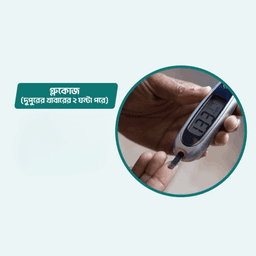
- Blood samples are typically drawn from a vein in the arm, although in some cases, capillary blood from a fingerstick may be used for the test.
Frequently Asked Question
GTT 1st
first Test During Pregnancy Explanation of why a second OGTT may be necessary during pregnancy and when it is typically recommended.


The Gestational Glucose Tolerance Test (GTT-1) involves drinking a sugary solution after fasting overnight. Blood samples are then taken at specific intervals to measure your blood sugar levels. This test helps identify gestational diabetes, a condition where blood sugar levels become too high during pregnancy.
Covid Safety
Assured
Free Report
Counselling