
forth Test During Pregnancy Explanation of why a second OGTT may be necessary during pregnancy and when it is typically recommended.


During the test, the pregnant woman is asked to fast overnight (usually for 8-14 hours). Then, a blood sample is taken to measure the fasting blood glucose level. Afterward, the woman drinks a sugary solution containing a specific amount of glucose. Blood samples are taken at specific intervals (usually at 1, 2, and sometimes 3 hours after drinking the solution) to measure how the body metabolizes glucose. Elevated glucose levels at any point during the test may indicate gestational diabetes, a condition that can lead to complications for both the mother and the baby if not managed properly.

Covid Safety
Assured

Free Report
Counselling
Recommended for You


How our test process works!

The Glucose Tolerance Test (GTT) is a diagnostic procedure used to evaluate how well the body processes glucose. It helps in diagnosing conditions like diabetes mellitus, insulin resistance, and gestational diabetes. The test measures the body's response to glucose over a specific period, typically after fasting.

- Diabetes Mellitus: The GTT is essential for identifying patients at risk of developing Type 2 diabetes. It helps determine if the body's cells are becoming resistant to insulin.
-
Gestational Diabetes: Pregnant women, especially those with risk factors like obesity, family history of diabetes, or previous gestational diabetes, are at a higher risk of developing gestational diabetes, and the GTT is often used for diagnosis.
-
Impaired Glucose Tolerance: Individuals with borderline high fasting glucose levels may have impaired glucose tolerance, which increases the risk of progressing to Type 2 diabetes.
-
Metabolic Syndrome: The GTT can also be part of a broader assessment of metabolic syndrome, which includes a combination of conditions like hypertension, high cholesterol, and obesity, increasing the risk of cardiovascular diseases and diabetes.

Fasting Glucose: 70-99 mg/dL (3.9-5.5 mmol/L)
1 Hour After Glucose Intake: < 180 mg/dL (< 10 mmol/L)
2 Hours After Glucose Intake: < 140 mg/dL (< 7.8 mmol/L)
3 Hours After Glucose Intake (if performed): < 140 mg/dL (< 7.8 mmol/L).

Normal Glucose Tolerance:
2-hour glucose level: < 140 mg/dL (7.8 mmol/L)
Impaired Glucose Tolerance (Prediabetes):
2-hour glucose level: 140-199 mg/dL (7.8-11.0 mmol/L)
Diabetes Mellitus:
2-hour glucose level: ≥ 200 mg/dL (11.1 mmol/L)
Gestational Diabetes:
Fasting glucose: ≥ 92 mg/dL (5.1 mmol/L)
1-hour glucose: ≥ 180 mg/dL (10.0 mmol/L)
2-hour glucose: ≥ 153 mg/dL (8.5 mmol/L)

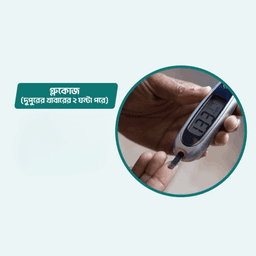
Blood: The test typically involves collecting venous blood samples at different intervals to measure glucose levels. Capillary blood samples (via fingerstick) may also be used in some settings but are less common for the standard GTT.
Frequently Asked Question
GTT 4th
forth Test During Pregnancy Explanation of why a second OGTT may be necessary during pregnancy and when it is typically recommended.


During the test, the pregnant woman is asked to fast overnight (usually for 8-14 hours). Then, a blood sample is taken to measure the fasting blood glucose level. Afterward, the woman drinks a sugary solution containing a specific amount of glucose. Blood samples are taken at specific intervals (usually at 1, 2, and sometimes 3 hours after drinking the solution) to measure how the body metabolizes glucose. Elevated glucose levels at any point during the test may indicate gestational diabetes, a condition that can lead to complications for both the mother and the baby if not managed properly.
Covid Safety
Assured
Free Report
Counselling