
Measures total Immunoglobulin E (IgE) level to assess allergic sensitivity


The HCP01 test quantifies the total amount of Immunoglobulin E (IgE) in the blood. Elevated IgE levels may indicate an allergic response, parasitic infection, or certain immunologic disorders. It helps identify potential allergic diseases such as asthma, eczema, allergic rhinitis, and food allergies.

Covid Safety
Assured

Free Report
Counselling
Recommended for You
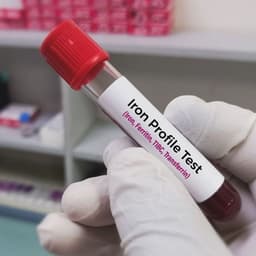




How our test process works!

Overview:
HCP01 is a diagnostic screening test used to detect abnormal hemoglobin variants, such as HbS, HbE, HbC, HbD, and thalassemias. It is usually done by High Performance Liquid Chromatography (HPLC) or capillary electrophoresis.

Risk Assessment:
-
Identifies carriers of genetic hemoglobin disorders.
-
Helps diagnose conditions like sickle cell anemia, thalassemia major/minor, and HbE disease.
-
Recommended for:
-
Individuals with microcytic anemia unresponsive to iron therapy.
-
Neonates as part of newborn screening.
-
Couples planning pregnancy (especially if from high-prevalence regions).
-
Family history of hemoglobin disorders.
-

Normal Range (approximate)
-
HbA: 96–98%
-
HbA2: 1.5–3.5%
-
HbF: <1%
-
No abnormal hemoglobin variants should be present in healthy individuals.
(Note: Reference ranges may vary slightly by lab.)

Interpretation:
-
Normal: Presence of normal HbA, HbA2, and small amount of HbF.
-
Abnormal findings may include:
-
Increased HbA2 → Suggestive of beta-thalassemia trait.
-
Increased HbF → Seen in hereditary persistence of fetal hemoglobin (HPFH) or thalassemia.
-
Presence of HbS, HbE, HbC, or HbD → Indicates specific hemoglobin variant disorders.
-
-
Interpretation must be correlated with CBC, MCV, MCH, and clinical history.

Sample Type:
-
Whole blood collected in EDTA tube.
Frequently Asked Question
HCP01 (Hemoglobinopathy Screening Panel)
Measures total Immunoglobulin E (IgE) level to assess allergic sensitivity


The HCP01 test quantifies the total amount of Immunoglobulin E (IgE) in the blood. Elevated IgE levels may indicate an allergic response, parasitic infection, or certain immunologic disorders. It helps identify potential allergic diseases such as asthma, eczema, allergic rhinitis, and food allergies.
Covid Safety
Assured
Free Report
Counselling