
Unlocking cellular secrets: N-acetyl-beta-D-glucosaminidase as a key enzyme in biochemical pathways


N-Acetyl-beta-D-glucosaminidase (NAG) is a lysosomal enzyme that plays a crucial role in the breakdown of complex carbohydrates, particularly by cleaving N-acetyl-beta-D-glucosamine residues from glycoproteins and glycolipids. It is widely used as a biomarker for renal and lysosomal storage disorders, as elevated levels in urine or blood can indicate kidney damage or dysfunction. NAG is also involved in various biological processes, including cell signaling and pathogen defense, making it an important enzyme in both health and disease contexts.

Covid Safety
Assured

Free Report
Counselling
Recommended for You



How our test process works!

Overview:
N-Acetyl Beta-D-Glucosaminidase (NAG) is an enzyme primarily found in the lysosomes of cells, particularly in the kidneys, liver, and immune cells. The NAG test measures the activity of this enzyme in urine and is often used to assess kidney function and detect kidney damage, especially in cases of acute tubular injury.

Risk Assessment:
The NAG test is relatively low risk and non-invasive, as it typically involves the collection of urine samples. There are no significant risks associated with the test itself, but there could be slight discomfort or difficulty with urine collection. However, it is important to note that elevated NAG levels may indicate kidney disease or dysfunction, so its results must be interpreted carefully.

Normal Range:
- The reference range for NAG levels in urine varies depending on the laboratory, but generally, it is reported as:
- Normal urinary NAG activity: < 2.0 U/g of creatinine
- The exact range can vary depending on the method used, so it’s important to refer to the laboratory's specific reference values.

Interpretation of Results:
-
Increased Levels: High levels of NAG in urine are often associated with kidney damage, particularly damage to the renal tubules. It may also indicate conditions like:
- Acute tubular necrosis
- Renal ischemia
- Certain kidney diseases
- Infections affecting the kidneys or urinary tract
-
Normal Levels: A normal result suggests that kidney function is likely intact and there is no significant tubular damage.
-
Decreased Levels: Low NAG levels typically do not have clinical significance and are not associated with any specific conditions.

Sample Type
-
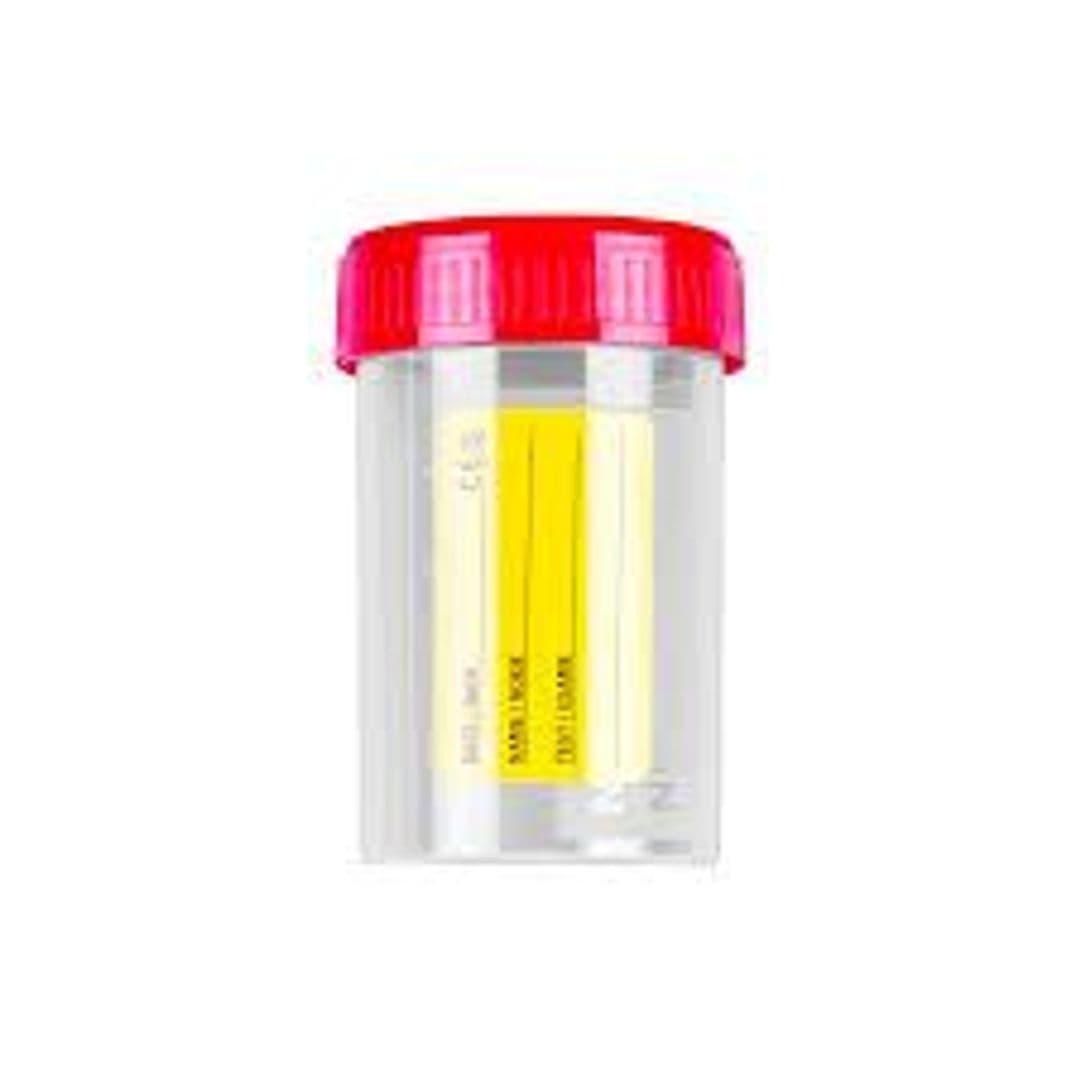
Urine sample
-
Usually random urine
-
Sometimes 24-hour urine for detailed assessment
-
-
Requires proper storage (enzyme is heat-labile)
Frequently Asked Question
N ACETYL BETA D GLUCOSAMINIDASE.
Unlocking cellular secrets: N-acetyl-beta-D-glucosaminidase as a key enzyme in biochemical pathways


N-Acetyl-beta-D-glucosaminidase (NAG) is a lysosomal enzyme that plays a crucial role in the breakdown of complex carbohydrates, particularly by cleaving N-acetyl-beta-D-glucosamine residues from glycoproteins and glycolipids. It is widely used as a biomarker for renal and lysosomal storage disorders, as elevated levels in urine or blood can indicate kidney damage or dysfunction. NAG is also involved in various biological processes, including cell signaling and pathogen defense, making it an important enzyme in both health and disease contexts.
Covid Safety
Assured
Free Report
Counselling