
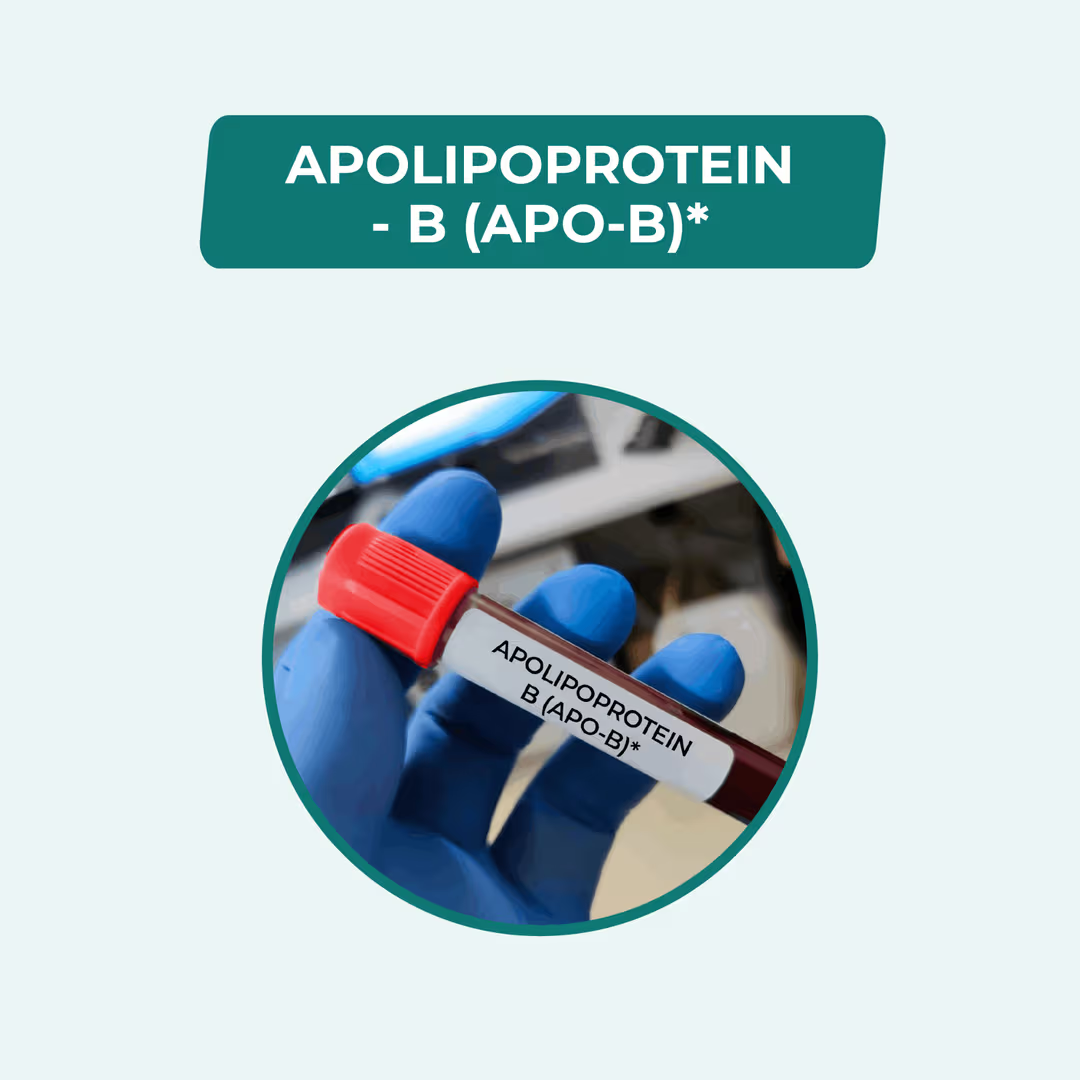
Assessing Cardiovascular Risk: Unveiling Insights with the Apolipoprotein B (APO-B) Test


You must consult your doctor before acting on any content on this website, especially if you are pregnant, nursing, taking medication, or have a medical condition. Apolipoprotein B is the backbone of LDL cholesterol. It's used to evaluate heart disease risk. Learn what your results mean & what to do next.

Covid Safety
Assured

Free Report
Counselling
Recommended for You


How our test process works!

You must consult your doctor before acting on any content on this website, especially if you are pregnant, nursing, taking medication, or have a medical condition. Apolipoprotein B is the backbone of LDL cholesterol. It's used to evaluate heart disease risk. Learn what your results mean & what to do next.

An Apo B or Apolipoprotein B-100 test is a blood test that can tell you about your risk for cardiovascular (heart and blood vessel) disease. To do this, it measures the amount of Apo B, which carries substances in your blood that help make plaque, a waxy fat that can block your arteries.

Normal Range: The normal reference range can vary depending on the laboratory, but typically, Apo-B levels are considered within the following ranges:
- Men: 60 to 120 mg/dL
- Women: 50 to 100 mg/dL

Interpretation:
- Normal Range: The normal reference range can vary depending on the laboratory, but typically, Apo-B levels are considered within the following ranges:
- Men: 60 to 120 mg/dL
- Women: 50 to 100 mg/dL
- High Levels: Anything above the normal range might indicate a higher number of atherogenic particles, increasing cardiovascular risk.
- Low Levels: This may suggest a lower risk of heart disease, but the interpretation can depend on other factors like overall lipid profile, family history, and lifestyle.

Blood
Frequently Asked Question
Apolipoproteins B (APO-B)
Assessing Cardiovascular Risk: Unveiling Insights with the Apolipoprotein B (APO-B) Test


You must consult your doctor before acting on any content on this website, especially if you are pregnant, nursing, taking medication, or have a medical condition. Apolipoprotein B is the backbone of LDL cholesterol. It's used to evaluate heart disease risk. Learn what your results mean & what to do next.
Covid Safety
Assured
Free Report
Counselling
