
The C1 Esterase Inhibitor test measures the level and function of C1 esterase inhibitor protein to diagnose hereditary or acquired angioedema and complement system disorders.


The C1 Esterase Inhibitor (C1-INH) test is a diagnostic tool used to evaluate the levels and functionality of the C1 esterase inhibitor protein in the blood. This protein plays a crucial role in regulating the complement system and the contact (kallikrein-kinin) pathway, which are involved in immune responses and inflammation. Deficiencies or dysfunction in C1-INH can lead to hereditary angioedema (HAE) or acquired angioedema (AAE), conditions characterized by recurrent episodes of severe swelling. The test measures both the quantity (antigenic level) and the activity (functional level) of C1-INH to help diagnose these disorders and guide appropriate treatment.

Covid Safety
Assured

Free Report
Counselling
Recommended for You



How our test process works!

The C1 esterase inhibitor (C1-INH) test is a diagnostic tool used to evaluate the levels and functionality of the C1 esterase inhibitor protein, which plays a critical role in regulating the complement system and the contact activation pathway. Deficiencies or dysfunction in C1-INH are associated with hereditary angioedema (HAE), a rare genetic disorder characterized by recurrent episodes of severe swelling in various parts of the body. The test typically involves measuring both the antigenic level (quantity) and functional activity (quality) of C1-INH in the blood. Low levels or impaired function of C1-INH can lead to uncontrolled activation of pathways involving bradykinin, resulting in angioedema. This test is essential for diagnosing HAE types I and II, as well as acquired forms of C1-INH deficiency, and helps guide appropriate treatment strategies.

A C1 esterase inhibitor (C1-INH) test is generally considered low-risk, as it involves a standard blood draw. The primary risks include minor discomfort, bruising, or bleeding at the puncture site, and, in rare cases, infection. Patients with bleeding disorders or those taking anticoagulants may have a slightly higher risk of prolonged bleeding. Fainting or lightheadedness can occur in individuals with a fear of needles or blood. Proper sterile techniques and trained phlebotomists minimize most risks. Overall, the benefits of diagnosing hereditary angioedema (HAE) or other conditions outweigh the minimal risks associated with the test.

The C1 esterase inhibitor (C1-INH) test measures the level and function of the C1-INH protein in the blood, which is crucial for regulating the complement system and preventing excessive inflammation. Normal antigenic levels typically range between 16 and 33 mg/dL, while functional activity is usually between 70% and 130% of normal. Lower levels or reduced activity may indicate hereditary or acquired angioedema, while elevated levels can be associated with acute phase reactions or inflammation. Interpretation should always be correlated with clinical symptoms and other diagnostic findings.

The C1 esterase inhibitor (C1-INH) test measures the level and function of C1-INH, a protein that regulates the complement system and helps control inflammation. A normal result typically indicates sufficient levels and functional activity of C1-INH, ruling out hereditary or acquired angioedema. Low levels or reduced function of C1-INH may suggest hereditary angioedema (HAE) type I or II, or acquired angioedema (AAE), which can lead to recurrent episodes of swelling. Further clinical correlation and additional testing, such as C4 levels, are often required to confirm the diagnosis and guide appropriate treatment.

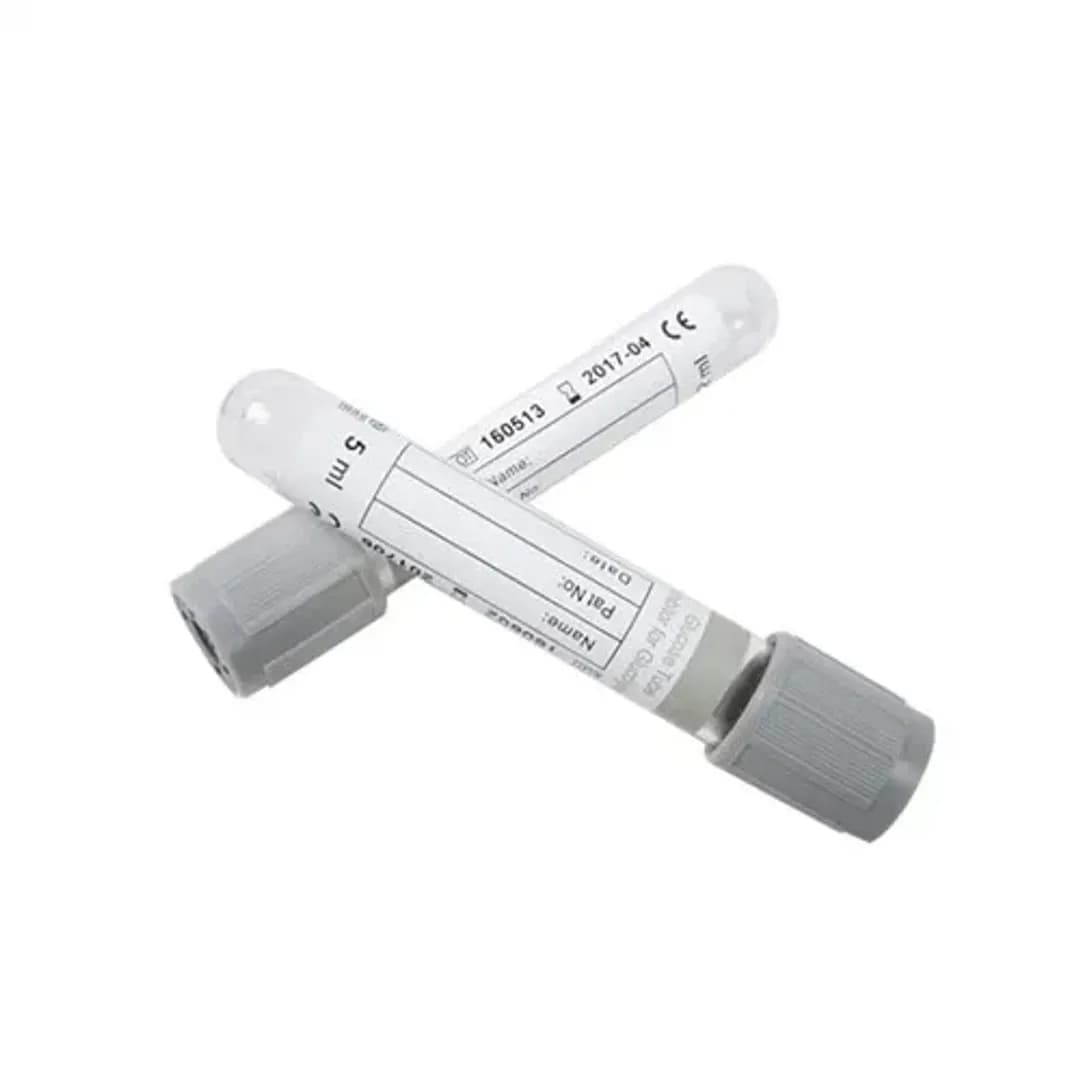
The C1 esterase inhibitor (C1-INH) test is a diagnostic assay used to evaluate the levels and functional activity of the C1-INH protein, which plays a critical role in regulating the complement system and controlling inflammation. The sample type required for this test is typically serum or plasma, collected via a standard blood draw. For functional activity testing, the sample must be handled carefully to preserve protein integrity, often requiring immediate processing or freezing to prevent degradation. In cases of suspected hereditary angioedema (HAE) or acquired angioedema, both quantitative (antigenic) and qualitative (functional) assessments of C1-INH may be performed to confirm deficiencies or dysfunction. Proper collection and storage protocols are essential to ensure accurate results.
Frequently Asked Question
C1 Esterase Inhibitor
The C1 Esterase Inhibitor test measures the level and function of C1 esterase inhibitor protein to diagnose hereditary or acquired angioedema and complement system disorders.


The C1 Esterase Inhibitor (C1-INH) test is a diagnostic tool used to evaluate the levels and functionality of the C1 esterase inhibitor protein in the blood. This protein plays a crucial role in regulating the complement system and the contact (kallikrein-kinin) pathway, which are involved in immune responses and inflammation. Deficiencies or dysfunction in C1-INH can lead to hereditary angioedema (HAE) or acquired angioedema (AAE), conditions characterized by recurrent episodes of severe swelling. The test measures both the quantity (antigenic level) and the activity (functional level) of C1-INH to help diagnose these disorders and guide appropriate treatment.
Covid Safety
Assured
Free Report
Counselling
