
Introduction to Postprandial Urine Sugar Analysis Methodology: Conducting the 1.5 hr. Post-Lunch Test Understanding the Relationship Between Food Intake and Urine Sugar Levels""Results: Observations at 1.5 Hours After Lunch""Interpreting Urine Sugar Levels in Context of Post-Lunch Testing""Clinical Implications and Significance of Findings""Discussion: Factors Influencing Postprandial Urine Sugar""Future Directions and Considerations for Further Research""Conclusion: Insights Gained from Post-Lunch Urine Sugar Monitoring""References: Supporting Evidence and Previous Studies"


The 1.5 hours after lunch urine sugar test is a diagnostic method used to measure the level of glucose (sugar) in the urine approximately one and a half hours after having lunch. This test helps in assessing how effectively the body is processing glucose after a meal. Elevated levels of sugar in the urine at this time may indicate poor glucose control and could be a sign of diabetes or prediabetes.

Covid Safety
Assured

Free Report
Counselling
Recommended for You


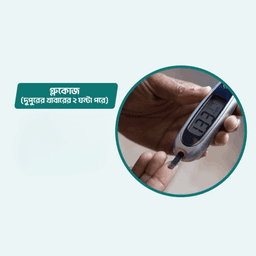
How our test process works!

Urine sugar levels can be an indirect measure of blood glucose control. After eating, glucose from digested food enters the bloodstream, and normally, the kidneys should reabsorb glucose and prevent it from being excreted in urine. However, if blood glucose levels exceed the kidneys' ability to reabsorb it, glucose will appear in the urine, a condition known as glucosuria.

Risk Assessment
- Elevated Urine Sugar: High levels of glucose in urine can indicate poor blood sugar control, suggesting a higher risk for diabetes complications such as kidney damage (diabetic nephropathy).
- 1.5 Hour ABF Test: High blood glucose levels 1.5 hours after eating suggest insulin resistance or an inability to manage postprandial (after-meal) glucose levels effectively, increasing the risk of developing diabetes or worsening its complications.

Urine Sugar: Normally, there should be little to no glucose in urine.
-
- Normal Range: Negative or less than 0.8 mmol/L.
1.5 Hour ABF Blood Glucose:
-
- Normal Range: Less than 140 mg/dL (7.8 mmol/L) in non-diabetics.
- Pre-diabetes: 140-199 mg/dL (7.8-11.0 mmol/L).
- Diabetes: 200 mg/dL (11.1 mmol/L) or higher.

Urine Sugar:
-
- Negative or Trace: Normal glucose control.
- Positive: Indicates hyperglycemia and poor blood glucose control.
1.5 Hour ABF Blood Glucose:
-
-
- Normal (<140 mg/dL): Indicates normal glucose metabolism.
- Elevated (140-199 mg/dL): Suggests impaired glucose tolerance (pre-diabetes).
- High (>200 mg/dL): Indicates diabetes or poor control in diabetics.
-

Sample Type
-
- Urine Sugar Test: Random or first-morning urine sample.
- 1.5 Hour ABF Blood Glucose Test: Blood sample taken 1.5 hours after consuming a standardized breakfast or meal.
Frequently Asked Question
Corresponding Urine Sugar with 1.5 hr. after Lunch
Introduction to Postprandial Urine Sugar Analysis Methodology: Conducting the 1.5 hr. Post-Lunch Test Understanding the Relationship Between Food Intake and Urine Sugar Levels""Results: Observations at 1.5 Hours After Lunch""Interpreting Urine Sugar Levels in Context of Post-Lunch Testing""Clinical Implications and Significance of Findings""Discussion: Factors Influencing Postprandial Urine Sugar""Future Directions and Considerations for Further Research""Conclusion: Insights Gained from Post-Lunch Urine Sugar Monitoring""References: Supporting Evidence and Previous Studies"


The 1.5 hours after lunch urine sugar test is a diagnostic method used to measure the level of glucose (sugar) in the urine approximately one and a half hours after having lunch. This test helps in assessing how effectively the body is processing glucose after a meal. Elevated levels of sugar in the urine at this time may indicate poor glucose control and could be a sign of diabetes or prediabetes.
Covid Safety
Assured
Free Report
Counselling