
Detecting Post-Glucose Ingestion Glycosuria: A 1-Hour Urine Sugar Test


The Detecting Post-Glucose Ingestion Glycosuria: A 1-Hour Urine Sugar Test is designed to evaluate the presence of glucose in the urine after consuming a glucose-rich drink. The patient begins by providing a fasting urine sample for baseline analysis. Afterward, the patient consumes a specified amount of glucose, typically in liquid form. Exactly one hour after ingestion, a second urine sample is collected. This sample is then tested for glucose content. The presence of glucose in the urine indicates glycosuria, which may signal underlying issues such as diabetes mellitus or impaired glucose tolerance, providing crucial information about the body’s ability to manage glucose.

Covid Safety
Assured

Free Report
Counselling
Recommended for You


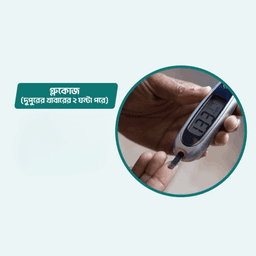
How our test process works!

Test Overview:
- Purpose: Screens for glucose intolerance, diabetes, and other metabolic disorders.
- Duration: 1 hour after oral glucose load.

Risk Assessment:
- Normal: Negative or trace glucose indicates good glucose absorption and minimal excretion.
- Moderate Risk: Positive but low glucose levels in urine suggest mild glucose intolerance, possibly prediabetes.
- High Risk: High glucose levels in urine can indicate poor glucose processing, commonly seen in diabetes or severe glucose intolerance.

Normal Range:
- Urine Glucose: Negative or trace amounts in urine after a 75g glucose test, as most glucose should be absorbed rather than excreted.

Interpretation:
- Negative/Trace: Likely normal glucose tolerance.
- Positive (Low): May indicate mild glucose intolerance, requiring further testing.
- Positive (High): Likely indicates glucose intolerance or diabetes.

Sample Type: Urine sample (usually midstream).
Frequently Asked Question
Corresponding Urine Sugar with 1.h after 75 gm Glucose
Detecting Post-Glucose Ingestion Glycosuria: A 1-Hour Urine Sugar Test


The Detecting Post-Glucose Ingestion Glycosuria: A 1-Hour Urine Sugar Test is designed to evaluate the presence of glucose in the urine after consuming a glucose-rich drink. The patient begins by providing a fasting urine sample for baseline analysis. Afterward, the patient consumes a specified amount of glucose, typically in liquid form. Exactly one hour after ingestion, a second urine sample is collected. This sample is then tested for glucose content. The presence of glucose in the urine indicates glycosuria, which may signal underlying issues such as diabetes mellitus or impaired glucose tolerance, providing crucial information about the body’s ability to manage glucose.
Covid Safety
Assured
Free Report
Counselling