
Understanding Urine Sugar Levels: Before Dinner Testing What is Urine Sugar?Exploring the Basics of Urine GlucoseImportance of Before Dinner TestingTiming Matters: Significance of Pre-Dinner Urine Sugar AssessmentFactors Affecting Urine Sugar LevelsUnveiling the Influential Factors in Pre-Dinner Urine GlucoseMethods of Urine Sugar AnalysisAnalytical Techniques for Measuring Pre-Dinner Urine GlucoseInterpreting Urine Sugar ResultsDeciphering Pre-Dinner Urine Glucose Readings: What Do They Mean?Clinical ImplicationsImplications of Pre-Dinner Urine Sugar Levels in Clinical PracticeCase Studies and ExamplesReal-world Scenarios: Understanding Pre-Dinner Urine Glucose through CasesFuture Directions and ResearchExploring New Avenues: Future of Pre-Dinner Urine Glucose TestingConclusionWrapping Up: Key Takeaways on Pre-Dinner Urine Sugar Assessment


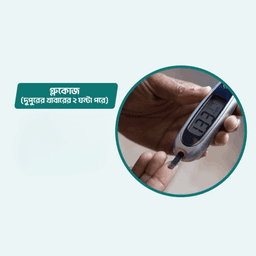
Corresponding urine sugar with before dinner test typically refers to comparing the level of sugar present in urine with the blood sugar level measured before dinner. This comparison helps in assessing how well the body is managing blood sugar levels throughout the day, especially before a significant meal like dinner.

Covid Safety
Assured

Free Report
Counselling
Recommended for You


How our test process works!

Purpose: Urine sugar tests measure the presence of glucose in urine. Glucose typically appears in urine when blood sugar levels are higher than the kidney's threshold (often around 180 mg/dL).
When Taken: It can be taken at any time, but testing before dinner can provide insight into daily glucose control after meals.
Sample Type: A urine sample, typically a midstream or random collection, is used.

Risk Assessment
- Trace or Mildly Elevated Levels:
- Can indicate early signs of blood sugar dysregulation or possible prediabetes.
- Should be followed up with blood glucose testing to confirm blood sugar levels.
- Moderate to High Levels:
- Suggestive of poorly controlled diabetes or undiagnosed hyperglycemia.
- Consistently high urine sugar increases the risk of kidney disease and other diabetic complications.
- Consistently Elevated Urine Sugar:
- If high results persist, it's critical to seek medical advice. Persistent hyperglycemia can damage organs and increase cardiovascular risks.

Normal Range: No detectable glucose (0 mg/dL) in urine is considered normal.

Interpretation:
-
- 0 mg/dL: Blood sugar is likely well-controlled, or within the normal range.
- Trace to Moderate (up to 250 mg/dL): Indicates mild to moderate hyperglycemia, suggesting the need for closer monitoring and lifestyle adjustments.
- High (>250 mg/dL): Indicates significant hyperglycemia, possibly due to diabetes or another condition affecting glucose regulation.

Sample Type and Process
- Sample Type: Midstream urine collection.
- Method: Dipstick tests in clinics, or lab-based quantitative tests.
Frequently Asked Question
Corresponding Urine Sugar with before Dinner
Understanding Urine Sugar Levels: Before Dinner Testing What is Urine Sugar?Exploring the Basics of Urine GlucoseImportance of Before Dinner TestingTiming Matters: Significance of Pre-Dinner Urine Sugar AssessmentFactors Affecting Urine Sugar LevelsUnveiling the Influential Factors in Pre-Dinner Urine GlucoseMethods of Urine Sugar AnalysisAnalytical Techniques for Measuring Pre-Dinner Urine GlucoseInterpreting Urine Sugar ResultsDeciphering Pre-Dinner Urine Glucose Readings: What Do They Mean?Clinical ImplicationsImplications of Pre-Dinner Urine Sugar Levels in Clinical PracticeCase Studies and ExamplesReal-world Scenarios: Understanding Pre-Dinner Urine Glucose through CasesFuture Directions and ResearchExploring New Avenues: Future of Pre-Dinner Urine Glucose TestingConclusionWrapping Up: Key Takeaways on Pre-Dinner Urine Sugar Assessment


Corresponding urine sugar with before dinner test typically refers to comparing the level of sugar present in urine with the blood sugar level measured before dinner. This comparison helps in assessing how well the body is managing blood sugar levels throughout the day, especially before a significant meal like dinner.
Covid Safety
Assured
Free Report
Counselling