
Introduction to Urine Sugar Testing: Exploring the importance of monitoring sugar levels in urine. Understanding Post-Meal Sugar Levels: Why measuring sugar levels after meals is crucial. Preparation for the Test: Steps to take before conducting the urine sugar test. Testing Procedure: A detailed guide on how to perform the test accurately. Interpreting Results: Deciphering what the test results indicate about sugar metabolism. Clinical Significance: Discussing the relevance of post-meal sugar levels in managing diabetes. Monitoring and Follow-up: Strategies for ongoing monitoring and necessary actions based on test results. FAQs: Addressing common questions and concerns about the urine sugar test. Tips for Accuracy: Ensuring reliable results through proper testing techniques. Conclusion: Summarizing key points and emphasizing the importance of regular testing.


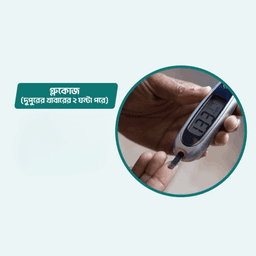
Urine Sugar Test: The urine sugar test measures the amount of sugar (glucose) present in your urine. This test is typically used to screen for diabetes or to monitor glucose levels in people who have been diagnosed with diabetes. To perform this test, you will need to provide a urine sample. The presence of glucose in the urine usually indicates that blood sugar levels are high. Before Lunch Blood Sugar Test: This test measures the level of glucose in your blood before having lunch. It is often referred to as a pre-meal or pre-prandial glucose test. This test helps in understanding how well your body manages glucose levels after a period without food, typically in the morning before lunch. Maintaining a record of pre-lunch blood sugar levels is crucial for managing diabetes and adjusting medications or dietary plans accordingly.

Covid Safety
Assured

Free Report
Counselling
Recommended for You


How our test process works!

Overview
- Urine Sugar Test: Measures the glucose level in urine. Glucose appears in urine when blood sugar levels exceed the renal threshold (typically ~180 mg/dL).
- Before Lunch Blood Glucose Test: Reflects fasting glucose levels after an overnight fast or before meals.

Risk Assessment
- Low Risk: Negative urine sugar and fasting blood glucose within normal limits.
- Moderate Risk: Borderline fasting glucose or occasional urine sugar; suggests prediabetes or stress-induced hyperglycemia.
- High Risk: Persistent positive urine sugar or high fasting glucose; signals diabetes or kidney dysfunction.

Normal Ranges
-
Urine Sugar:
- Normal: Negative or trace glucose.
- Abnormal: Any detectable glucose in urine could indicate hyperglycemia.
-
Fasting Blood Glucose:
- Normal: 70–100 mg/dL (3.9–5.6 mmol/L).
- Prediabetes: 100–125 mg/dL (5.6–6.9 mmol/L).
- Diabetes: ≥126 mg/dL (7.0 mmol/L) on two separate occasions.

Interpretation
-
Normal Urine Sugar + Normal Fasting Glucose:
- Indicates normal glucose metabolism.
-
Elevated Urine Sugar + High Fasting Glucose:
- Likely uncontrolled diabetes or high blood sugar surpassing the renal threshold.
-
Elevated Urine Sugar + Normal Fasting Glucose:
- Possible renal glycosuria (impaired glucose reabsorption in kidneys).
-
Negative Urine Sugar + High Fasting Glucose:
- Elevated blood sugar but below renal threshold; requires further testing.

Sample Type
- Urine Sugar: Midstream urine sample.
- Blood Glucose: Blood sample from a fingerstick or venipuncture.
Frequently Asked Question
Corresponding Urine Sugar with before Lunch
Introduction to Urine Sugar Testing: Exploring the importance of monitoring sugar levels in urine. Understanding Post-Meal Sugar Levels: Why measuring sugar levels after meals is crucial. Preparation for the Test: Steps to take before conducting the urine sugar test. Testing Procedure: A detailed guide on how to perform the test accurately. Interpreting Results: Deciphering what the test results indicate about sugar metabolism. Clinical Significance: Discussing the relevance of post-meal sugar levels in managing diabetes. Monitoring and Follow-up: Strategies for ongoing monitoring and necessary actions based on test results. FAQs: Addressing common questions and concerns about the urine sugar test. Tips for Accuracy: Ensuring reliable results through proper testing techniques. Conclusion: Summarizing key points and emphasizing the importance of regular testing.


Urine Sugar Test: The urine sugar test measures the amount of sugar (glucose) present in your urine. This test is typically used to screen for diabetes or to monitor glucose levels in people who have been diagnosed with diabetes. To perform this test, you will need to provide a urine sample. The presence of glucose in the urine usually indicates that blood sugar levels are high. Before Lunch Blood Sugar Test: This test measures the level of glucose in your blood before having lunch. It is often referred to as a pre-meal or pre-prandial glucose test. This test helps in understanding how well your body manages glucose levels after a period without food, typically in the morning before lunch. Maintaining a record of pre-lunch blood sugar levels is crucial for managing diabetes and adjusting medications or dietary plans accordingly.
Covid Safety
Assured
Free Report
Counselling