
Introduction to Urine Sugar Testing: Exploring the importance of monitoring sugar levels in urine. Understanding Post-Meal Sugar Levels: Why measuring sugar levels after meals is crucial. Preparation for the Test: Steps to take before conducting the urine sugar test. Testing Procedure: A detailed guide on how to perform the test accurately. Interpreting Results: Deciphering what the test results indicate about sugar metabolism. Clinical Significance: Discussing the relevance of post-meal sugar levels in managing diabetes. Monitoring and Follow-up: Strategies for ongoing monitoring and necessary actions based on test results. FAQs: Addressing common questions and concerns about the urine sugar test. Tips for Accuracy: Ensuring reliable results through proper testing techniques. Conclusion: Summarizing key points and emphasizing the importance of regular testing.


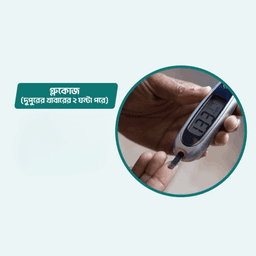
Urine Sugar Test: A urine sugar test measures the amount of sugar (glucose) present in the urine. Under normal conditions, glucose is not typically found in the urine because the kidneys usually reabsorb it. However, when blood glucose levels are excessively high, glucose can spill over into the urine. Postprandial Plasma Glucose Test: The postprandial plasma glucose (PPG) test measures blood sugar levels after a meal, usually two hours after eating. This test helps determine how effectively the body manages blood sugar after food intake. High levels may indicate diabetes or prediabetes.

Covid Safety
Assured

Free Report
Counselling
Recommended for You


How our test process works!

Overview
- Urine Sugar Test: Detects glucose in the urine, which can occur when blood glucose levels exceed the renal threshold (~180 mg/dL).
- Postprandial Plasma Glucose (PPG): Measures blood glucose levels 2 hours after a meal to assess how well the body manages glucose intake.

Risk Assessment
- Urine Sugar:
- Indicates that blood glucose is likely elevated beyond the renal threshold.
- Provides qualitative data (presence/absence or degree of glucose) but not precise glucose concentration in the blood.
- PPG:
- More accurate for diagnosing conditions like diabetes, prediabetes, and monitoring glycemic control.
- Elevated PPG is linked to an increased risk of cardiovascular diseases.

Normal Range
- Urine Sugar:
- Normal: Negative (no glucose in urine).
- Positive: Indicates possible hyperglycemia.
- PPG:
- Normal: <140 mg/dL (7.8 mmol/L).
- Prediabetes: 140–199 mg/dL (7.8–11.0 mmol/L).
- Diabetes: ≥200 mg/dL (11.1 mmol/L).

Interpretation
- Urine Sugar:
- Positive result suggests PPG likely exceeds 180 mg/dL, but it does not quantify glucose levels.
- May indicate diabetes, renal threshold variation, or tubular damage.
- PPG:
- Directly correlates with blood glucose levels after a meal, aiding in diagnosis and treatment adjustment.
- A high PPG confirms poor postprandial glucose regulation.

Sample Type
- Urine Sugar: Requires a urine sample.
- PPG: Requires a blood sample (venous or capillary plasma).
Frequently Asked Question
Corresponding Urine sugar with postprandial plasma glucose
Introduction to Urine Sugar Testing: Exploring the importance of monitoring sugar levels in urine. Understanding Post-Meal Sugar Levels: Why measuring sugar levels after meals is crucial. Preparation for the Test: Steps to take before conducting the urine sugar test. Testing Procedure: A detailed guide on how to perform the test accurately. Interpreting Results: Deciphering what the test results indicate about sugar metabolism. Clinical Significance: Discussing the relevance of post-meal sugar levels in managing diabetes. Monitoring and Follow-up: Strategies for ongoing monitoring and necessary actions based on test results. FAQs: Addressing common questions and concerns about the urine sugar test. Tips for Accuracy: Ensuring reliable results through proper testing techniques. Conclusion: Summarizing key points and emphasizing the importance of regular testing.


Urine Sugar Test: A urine sugar test measures the amount of sugar (glucose) present in the urine. Under normal conditions, glucose is not typically found in the urine because the kidneys usually reabsorb it. However, when blood glucose levels are excessively high, glucose can spill over into the urine. Postprandial Plasma Glucose Test: The postprandial plasma glucose (PPG) test measures blood sugar levels after a meal, usually two hours after eating. This test helps determine how effectively the body manages blood sugar after food intake. High levels may indicate diabetes or prediabetes.
Covid Safety
Assured
Free Report
Counselling