
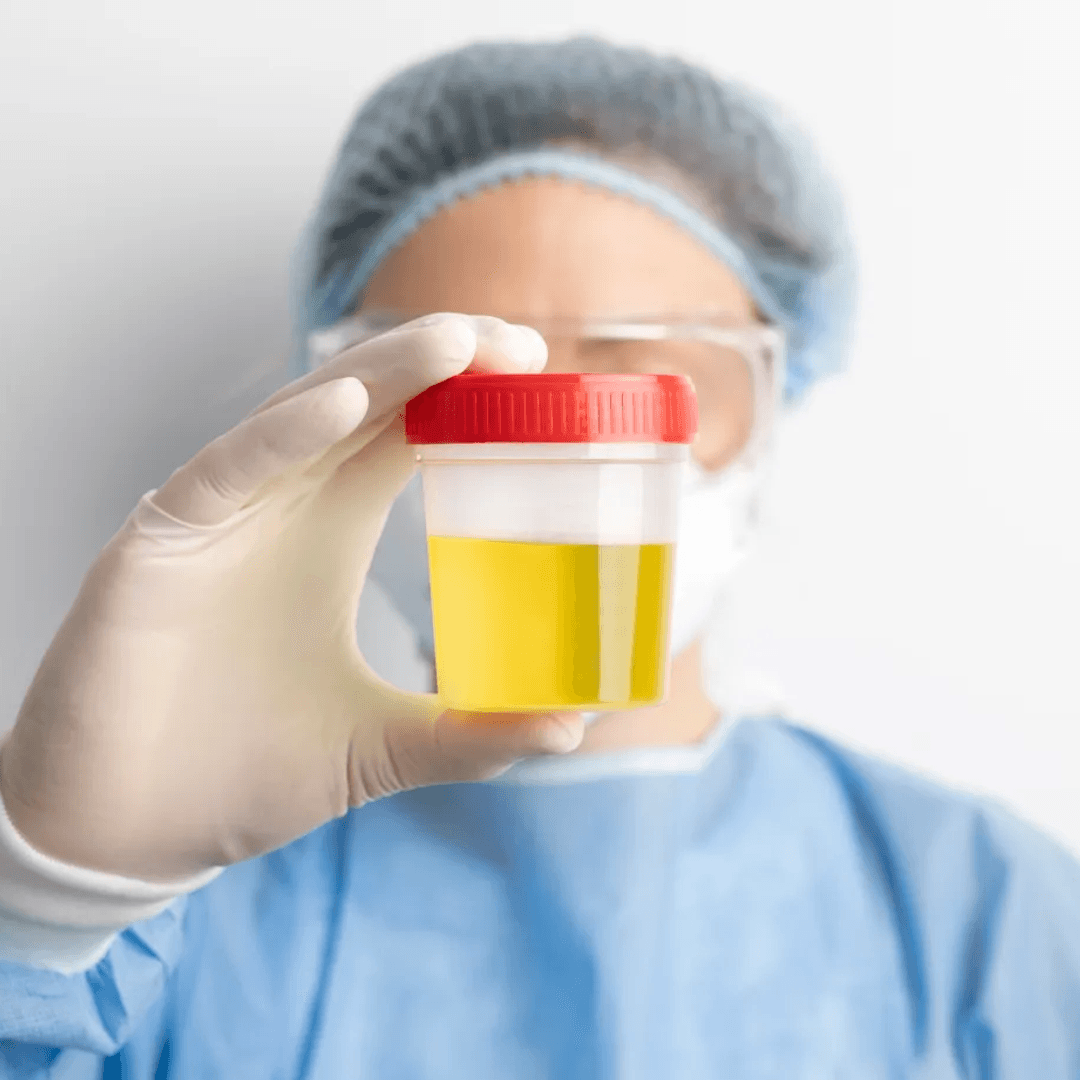
Screening for Commonly Abused Substances.


The Drug Panel 4 is a urine or blood test designed to detect the presence of four commonly abused or prescribed substances. These typically include substances such as cocaine, marijuana, opiates, and amphetamines. It is used to identify the use of these substances in individuals, commonly for employment, legal purposes, or medical monitoring.

Covid Safety
Assured

Free Report
Counselling
Recommended for You


How our test process works!

Overview
The Drug Panel 4 is a urine test that typically detects:
- Marijuana (THC)
- Cocaine
- Amphetamines
- Opiates (including heroin, morphine, and codeine)
This test is often used for employment purposes, legal cases, or medical assessments to screen for these drugs in an individual's system.

Risk Assessment
Testing for drugs is essential for identifying substance use that can affect an individual's ability to perform certain activities or comply with legal or employment standards. The risk of substance abuse and addiction is evaluated through these tests. Positive results may indicate:
- Impairment due to drug use
- Risk to the individual's health or safety
- Violations of workplace policies, legal restrictions, or medical guidelines
It is important to note that the Drug Panel 4 does not test for all drugs and may not detect newer or synthetic substances.

Normal Range
For each drug tested, there is a specific cutoff level that separates a positive result from a negative one. These cutoff values vary slightly by the testing laboratory but are typically as follows:
- Marijuana (THC): ≥50 ng/mL
- Cocaine: ≥150 ng/mL
- Amphetamines: ≥500 ng/mL
- Opiates: ≥2000 ng/mL (for morphine/heroin/codeine)
These thresholds help to avoid false positives from trace amounts of the substances present in the urine sample.

Interpretation
- Positive Results: A positive result indicates the presence of the tested drug(s) above the cutoff levels. It’s typically followed by a confirmation test (such as gas chromatography-mass spectrometry) to verify the result.
- Negative Results: No detectable drugs are present in the sample, or the levels are below the cut-off threshold for the substances tested.
- Limitations: Some medications and other factors (such as diet or body composition) may cause false positives or negatives.

Sample Type
- The test is usually performed on a urine sample, as it is easy to collect and provides reliable results for recent drug use.
- Urine can detect drugs that were used within a window of a few hours to a few days, depending on the substance and individual metabolism.
Frequently Asked Question
DRUG PANEL 4
Screening for Commonly Abused Substances.


The Drug Panel 4 is a urine or blood test designed to detect the presence of four commonly abused or prescribed substances. These typically include substances such as cocaine, marijuana, opiates, and amphetamines. It is used to identify the use of these substances in individuals, commonly for employment, legal purposes, or medical monitoring.
Covid Safety
Assured
Free Report
Counselling
