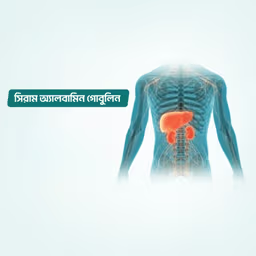
The kidney and liver are the primary producers of the hormone erythropoietin (EPO). Red blood cells (RBCs) are responsible for transporting oxygen from the lungs to the rest of the body. EPO is crucial in the generation of RBCs. The erythropoietin test determines the concentration of erythropoietin in the blood.
Erythropoietin is produced and released into the bloodstream by the kidneys. Erythropoietin is produced in response to low levels of blood oxygen (hypoxia). The amount of erythropoietin secreted is determined by the amount of oxygen in the blood and the function of the kidneys.
EPO promotes red blood cell synthesis in the bone marrow. The hormone is only active for a short period of time. EPO is excreted in the urine after its function. As blood oxygen levels return to normal or near normal, the kidneys reduce EPO production.
When there is renal impairment and the kidneys do not produce enough erythropoietin, the body creates too few RBCs. Anaemia is caused by a decrease in RBC levels in the blood.
Erythropoietin maintains blood balance by promoting red blood cell synthesis in the bone marrow. Erythropoiesis is a critical operation since all cells in the body require a steady supply of blood and oxygen to function properly.
The body's organs and tissues may suffer from hypoxia, or a lack of oxygen, if fresh red blood cells are not produced. Hypoxia can cause cells to act abnormally, resulting in illness or cell death in the affected area.
If the bone marrow does not respond to EPO stimulation, the individual may develop anaemic. Anaemia can occur as a result of bone marrow abnormalities or chronic conditions such as rheumatoid arthritis.
As a compensatory strategy, the body may produce more EPO in conditions that reduce the amount of oxygen available, such as lung disease. People who live at high altitudes and who smoke cigarettes on a regular basis may have higher EPO levels.
RBC production increases when there is an excess of erythropoietin, which can occur with some benign and malignant kidney tumors. Erythropoietin levels rise in a number of other malignancies (polycythemia or erythrocytosis). Increased RBCs can induce an increase in blood viscosity, which can result in high blood pressure (hypertension), blood clots (thrombosis), a heart attack, or a stroke.
The erythropoietin (EPO) test is used to determine the source of anemia. An EPO test is performed after a complete blood count (CBC) with aberrant results, such as a low red blood cell (RBC) count, low haemoglobin, or low haematocrit. These tests help in anemia diagnosis and provide information about the underlying cause.
Erythropoietin (EPO) testing is performed to determine whether a deficiency of EPO is causing or aggravating anemia.
An erythropoietin test is used to diagnose chronic kidney disease. EPO is used to determine whether the kidneys are still producing enough erythropoietin. Testing can assist doctors in making decisions about erythropoietin replacement medication. If erythropoietin levels are low,
Red cell production in the bone marrow is increased by erythropoietin replacement therapy.
Other names of the erythropoietin test
Haemopoietin
Epogen
Serum Erythropoietin
Polycythaemia
Haematopoietic
What does the erythropoietin test or measure and who is this prescribed?
The erythropoietin test measures the level of hormone erythropoietin in the blood sample.
The doctor recommends the erythropoietin test when an individual complains of the following conditions.
Anaemia that does not appear to be caused by iron deficiency, vitamin B12 insufficiency
Anaemia does not appear due to shortened lifespan of red blood cells (RBCs; haemolysis) or heavy bleeding
When the RBC count, haemoglobin and haematocrit are all low
When reticulocyte count is abnormally low
In those who have chronic kidney illness
When a complete blood count reveals an increased number of RBCs as well as a high hematocrit and haemoglobin
When a doctor suspects you have a bone marrow problem like myeloproliferative neoplasms (MPNs) or myelodysplastic syndrome
Erythropoietin test results are advised by the doctor to
To determine the difference between primary and secondary polycythaemia
To differentiate between appropriate secondary polycythaemia and inappropriate secondary polycythaemia
In candidates for erythropoietin (EPO) replacement therapy.
In those with chronic renal failure
In patients who are receiving EPO replacement therapy and have a poor haematopoietic response
The erythropoietin test procedure is advised in those with elevated EPO symptoms like
Itching
Dizziness
Joint pain
Fatigue
Breathlessness
Tenderness in the palms of the hands or soles of the feet
Sleep disturbance
The erythropoietin test procedure is advised in those with depleted EPO symptoms.
Fatigue
Shortness of breath
Increased heart rate
Dizziness
Weakness
Lightheadedness while changing positions
Headaches
Pale skin
So those who are suffering from the above symptoms and diseases should check for erythropoietin values. The erythropoietin test results might show abnormal levels in people living in high altitudes and in athletes.
Anaemia, Polycythaemia, Bone Marrow Disorders, Kidney failure, Tumours of the kidney
The normal range of erythropoietin levels is
Males
5.8 - 9.9 IU/L
Females
6 - 10.6 IU/L What causes erythropoietin deficiency?
The causes of erythropoietin deficiency are
Kidney tumour
Renal failure
Polycythaemia vera
Rheumatoid arthritis
HIV
Carcinoma
Ulcerative colitis
Sickle cell anaemia
What foods contain erythropoietin?
The food that increases erythropoietin secretion are
Red meat, such as beef.
Organ meat, such as kidneys and liver.
Dark, leafy, green vegetables, spinach and kale.
Dried fruits, prunes and raisins.
Beans, Legumes and egg yolks.
Test result interpretation
Erythropoietin levels that are either high or too low cause a variety of blood diseases.
Decreased values in erythropoietin results with anaemia indicate renal dysfunction.
Increased values in erythropoietin test results with anaemia indicate bone marrow dysfunction.
Increased erythropoietin levels with anaemia could be due to iron or vitamin deficiency.
Increased erythropoietin test chart values with an increase in RBCs indicate kidneys producing too much erythropoietin.
Erythropoietin within normal range with an increase in red blood cells indicates primary polycythaemia.
Decreased level of erythropoietin :
Chronic kidney failure
The kidneys cannot produce enough EPO in chronic renal failure. If your EPO levels are low, your red blood cell count will decrease and you will develop anaemia. The majority of people with renal disease suffer from anemia. Anaemia can begin early in kidney illness and worsen as the kidneys stop producing EPO.
Increased erythropoietin levels indicative of
Polycythaemia
Polycythemia vera is a type of cancer of the blood. It causes the bone marrow to create an abnormally large number of red blood cells. These additional cells thicken the blood, causing it to clot and slowing its flow.
EPO levels are often low to low-normal in polycythemia vera and congenital/familial primary polycythemias. EPO levels are frequently normal or increased in secondary physiologic or non-physiologic polycythemias.
Kidney tumour
According to one study, renal cell carcinoma cells produce an inactive version of EPO, which may explain why patients with renal cell carcinoma have high EPO levels.
Abuse in Athletes
Some athletes exploit the circulatory system to enhance their sports performance. Athletes increase their red cell count to improve their performance. This is dangerous since it can result in fatal complications.
Some other diseases where erythropoietin values are low are
Rheumatoid arthritis
AIDS
Cancer
Ulcerative colitis
Sickle cell disease
Premature neonates.
The findings of an erythropoietin test cannot distinguish between primary and secondary polycythaemia. Erythropoietin result chart levels are within the normal range in some patients with primary polycythaemia. People who live at high altitudes may have higher erythropoietin levels in their test results than people who reside at lower altitudes.
A blood sample is required for the erythropoietin test method. Overnight fasting is required for the erythropoietin test protocol. The erythropoietin test is straightforward.
Exam Preparation
Fasting is required for the erythropoietin test, which is a blood test. The patient is asked to fast for 8-10 hours (overnight) before the test. Before the exam, you may be requested to lie down quietly for 20-30 minutes. The test requires a regular blood sample.
However, make sure to inform the doctor about any current medications before the tests.
Before taking the test, make sure you follow the doctor's instructions. The doctor will provide you instructions based on your medical condition.
What are the parameters included in the test?
The erythropoietin test values give an idea about the
Decrease in the level of erythropoietin in the blood
Increase in the erythropoietin levels in the blood
How frequently should you take this test?
The frequency of erythropoietin tests is determined by the doctor's recommendation and the underlying condition. After three months of treatment, the erythropoietin test results are repeated to check the prognosis.
In bone marrow diseases, erythropoietin levels are checked every 3-4 months to ensure recovery. To keep track of health, erythropoietin test results are repeated annually in persons with renal illness and blood disorders. If EPO levels were within the normal range, erythropoietin test results do not need to be repeated.