
A suitable subtitle for the Fasting Plasma Glucose Test could be: "Measuring Blood Sugar Levels for Diabetes Detection."


The Fasting Plasma Glucose (FPG) test measures your blood sugar level after an overnight fast. It's used to diagnose diabetes and prediabetes. You'll need to fast for at least 8 hours before the test, which means no food or drink except water. During the test, a healthcare provider will draw blood from your arm and send it to a lab for analysis. Normal FPG levels are typically between 70 and 100 milligrams per deciliter (mg/dL). Higher levels may indicate prediabetes or diabetes.

Covid Safety
Assured

Free Report
Counselling
Recommended for You


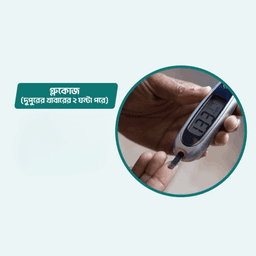
How our test process works!

The Fasting Plasma Glucose (FBS) test is a blood test used primarily to screen for diabetes and prediabetes. It measures the level of glucose (sugar) in your blood after an overnight fast of at least 8 hours. Fasting is required to ensure that the test measures the baseline level of glucose without the influence of recent food intake.

The FBS test is recommended for individuals who have risk factors for diabetes or show symptoms suggestive of high blood glucose levels. Risk factors include:
- Age: Individuals over 45 years old are at increased risk.
- Family History: A family history of diabetes, particularly type 2 diabetes.
- Obesity: Body mass index (BMI) over 25.
- Sedentary Lifestyle: Lack of physical activity.
- Hypertension: High blood pressure.
- Dyslipidemia: Abnormal levels of cholesterol or triglycerides.
- Gestational Diabetes History: Women who had diabetes during pregnancy.
- Ethnic Background: Higher risk among certain ethnic groups, including African Americans, Hispanics, Native Americans, and Asians.

The normal range for fasting plasma glucose levels is generally considered to be:
- Normal: Less than 100 mg/dL (5.6 mmol/L)
- Prediabetes (Impaired Fasting Glucose): 100 to 125 mg/dL (5.6 to 6.9 mmol/L)
- Diabetes: 126 mg/dL (7.0 mmol/L) or higher on two separate tests

- Normal (Less than 100 mg/dL): Indicates that the blood glucose level is within the normal range, suggesting a low risk of diabetes.
- Prediabetes (100 to 125 mg/dL): Indicates impaired fasting glucose, which is a warning sign of the risk of developing type 2 diabetes. Lifestyle modifications such as diet and exercise are often recommended to prevent progression to diabetes.
- Diabetes (126 mg/dL or higher): Indicates a diagnosis of diabetes. Further testing and medical evaluation are required to confirm the diagnosis and determine the appropriate treatment plan.

The sample type for an FBS test is venous blood. Blood is typically drawn from a vein in the arm using a needle, and the sample is then analyzed in a laboratory to measure the glucose concentration.
Frequently Asked Question
Fasting Plasma glucose (FBS)
A suitable subtitle for the Fasting Plasma Glucose Test could be: "Measuring Blood Sugar Levels for Diabetes Detection."


The Fasting Plasma Glucose (FPG) test measures your blood sugar level after an overnight fast. It's used to diagnose diabetes and prediabetes. You'll need to fast for at least 8 hours before the test, which means no food or drink except water. During the test, a healthcare provider will draw blood from your arm and send it to a lab for analysis. Normal FPG levels are typically between 70 and 100 milligrams per deciliter (mg/dL). Higher levels may indicate prediabetes or diabetes.
Covid Safety
Assured
Free Report
Counselling
