
Unraveling Immunological Health Through Comprehensive Protein Analysis


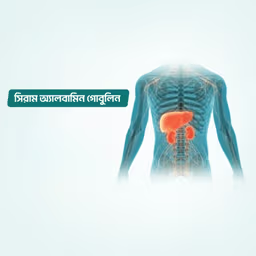
Globulin test is performed to determine the level of globulin protein in the blood. The test is useful to detect a variety of health conditions, including: kidney disease, liver damage, nutritional problems, autoimmune disorders or certain types of cancer.

Covid Safety
Assured

Free Report
Counselling
Recommended for You


How our test process works!


- Why It's Done: The globulin test is often done to assess liver function, diagnose immune system disorders, and detect conditions that affect protein levels, such as kidney or liver disease.
- Who Should Get Tested: Individuals with symptoms of liver disease, kidney disease, chronic infections, or autoimmune disorders are often recommended to undergo globulin testing. It may also be part of routine blood work during a physical examination.


-
Low Globulin Levels: (Hypoglobulinemia)
- Possible Causes:
- Liver disease (e.g., cirrhosis, hepatitis)
- Kidney disease (e.g., nephrotic syndrome)
- Malabsorption disorders (e.g., celiac disease)
- Immune deficiency disorders
- Acute hemolytic anemia
- Potential Risks:
- Increased susceptibility to infections
- Poor nutritional status
- Possible Causes:
-
High Globulin Levels: (Hyperglobulinemia)
- Possible Causes:
- Chronic infections (e.g., tuberculosis, chronic liver disease)
- Inflammatory diseases (e.g., rheumatoid arthritis, lupus)
- Multiple myeloma or other types of cancer
- Autoimmune disorders
- Sarcoidosis
- Potential Risks:
- Impaired liver function
- Risk of developing autoimmune conditions
- Chronic inflammation
- Possible Causes:

Frequently Asked Question
Globulin
Unraveling Immunological Health Through Comprehensive Protein Analysis


Globulin test is performed to determine the level of globulin protein in the blood. The test is useful to detect a variety of health conditions, including: kidney disease, liver damage, nutritional problems, autoimmune disorders or certain types of cancer.
Covid Safety
Assured
Free Report
Counselling
