
একটি GTT সময় সনাক্ত করা অস্বাভাবিকতা অন্তর্ভুক্ত করতে পারে: - **প্রতিবন্ধী ফাস্টিং গ্লুকোজ (IFG):** উপবাস রক্তে গ্লুকোজের মাত্রা 100 থেকে 125 mg/dL (5.6 থেকে 6.9 mmol/L), যা প্রিডায়াবেটিসের ইঙ্গিত দেয়। - **প্রতিবন্ধী গ্লুকোজ সহনশীলতা (IGT):** রক্তে গ্লুকোজের মাত্রা 140 থেকে 199 mg/dL (7.8 থেকে 11.0 mmol/L) গ্লুকোজ দ্রবণ খাওয়ার 2 ঘন্টা পরে পরিমাপ করা হয়, যা প্রিডায়াবেটিসেরও ইঙ্গিত দেয়। - **ডায়াবেটিস:** রক্তে গ্লুকোজের মাত্রা 126 mg/dL (7.0 mmol/L) বা তার বেশি, অথবা রক্তে গ্লুকোজের মাত্রা 200 mg/dL (11.1 mmol/L) বা তার বেশি পরিমাপ করা গ্লুকোজ সলিউশন খাওয়ার 2 ঘন্টা পরে . - **ইনসুলিন রেজিস্ট্যান্স:** এটি এমন একটি অবস্থাকে বোঝায় যেখানে শরীরের কোষগুলি ইনসুলিনের প্রতি কম প্রতিক্রিয়াশীল হয়ে ওঠে, যার ফলে রক্তে গ্লুকোজের মাত্রা বেড়ে যায়। এটি প্রায়শই স্থূলতা, বিপাকীয় সিন্ড্রোম এবং টাইপ 2 ডায়াবেটিসের সাথে যুক্ত থাকে।


A Glucose Tolerance Test (GTT) measures how well your body processes sugar. It involves drinking a glucose solution, and blood samples are taken at specific intervals, typically over 2.5 hours, to monitor blood sugar levels. This test helps diagnose diabetes, gestational diabetes, and insulin resistance.

Covid Safety
Assured

Free Report
Counselling
Recommended for You


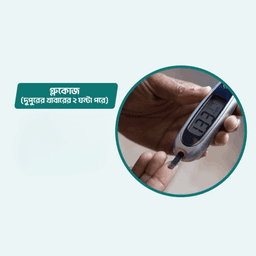
How our test process works!

Overview
Purpose:
- The 2.5-hour glucose tolerance test is used to diagnose diabetes or impaired glucose tolerance, particularly in cases where the standard 3-hour test may not be applicable or where shorter tests are preferred.
Procedure:
- Preparation: You will need to fast for at least 8-12 hours before the test, consuming only water.
- Initial Blood Draw: A fasting blood glucose sample is taken.
- Glucose Drink: You will drink a glucose solution, typically containing 75 grams of glucose.
- Subsequent Blood Draws: Blood samples are taken at 30 minutes, 1 hour, and 2.5 hours after consuming the glucose solution.

Risk Assessment
- Diabetes Risk: Elevated glucose levels at multiple time points can indicate the presence of diabetes.
- Gestational Diabetes: Pregnant women at risk or with symptoms might be tested, especially if there are risk factors like obesity or a family history of diabetes.

Normal Range
- Fasting: Less than 95 mg/dL (5.3 mmol/L)
- 30 minutes: Less than 140 mg/dL (7.8 mmol/L) — Note: This specific timing might not be used in all protocols, but it’s included here for context.
- 1-hour: Less than 180 mg/dL (10.0 mmol/L)
- 2.5-hour: Less than 140 mg/dL (7.8 mmol/L)

Interpretation
- Normal: Blood glucose levels rise after drinking the glucose solution but return to normal within 2.5 hours.
- Impaired Glucose Tolerance (IGT): Glucose levels are higher than normal at one or more intervals but not high enough to meet the criteria for diabetes.
- Diabetes: Criteria for diagnosing diabetes may include:
- Fasting glucose ≥ 95 mg/dL (5.3 mmol/L)
- 1-hour glucose ≥ 180 mg/dL (10.0 mmol/L)
- 2.5-hour glucose ≥ 140 mg/dL (7.8 mmol/L)

Sample Type
- Blood Samples: Blood is drawn from a vein in your arm at the fasting state, and then again at 1 hour and 2.5 hours after consuming the glucose drink.
Frequently Asked Question
Glucose Tolerance Test 2.5 hrs
একটি GTT সময় সনাক্ত করা অস্বাভাবিকতা অন্তর্ভুক্ত করতে পারে: - **প্রতিবন্ধী ফাস্টিং গ্লুকোজ (IFG):** উপবাস রক্তে গ্লুকোজের মাত্রা 100 থেকে 125 mg/dL (5.6 থেকে 6.9 mmol/L), যা প্রিডায়াবেটিসের ইঙ্গিত দেয়। - **প্রতিবন্ধী গ্লুকোজ সহনশীলতা (IGT):** রক্তে গ্লুকোজের মাত্রা 140 থেকে 199 mg/dL (7.8 থেকে 11.0 mmol/L) গ্লুকোজ দ্রবণ খাওয়ার 2 ঘন্টা পরে পরিমাপ করা হয়, যা প্রিডায়াবেটিসেরও ইঙ্গিত দেয়। - **ডায়াবেটিস:** রক্তে গ্লুকোজের মাত্রা 126 mg/dL (7.0 mmol/L) বা তার বেশি, অথবা রক্তে গ্লুকোজের মাত্রা 200 mg/dL (11.1 mmol/L) বা তার বেশি পরিমাপ করা গ্লুকোজ সলিউশন খাওয়ার 2 ঘন্টা পরে . - **ইনসুলিন রেজিস্ট্যান্স:** এটি এমন একটি অবস্থাকে বোঝায় যেখানে শরীরের কোষগুলি ইনসুলিনের প্রতি কম প্রতিক্রিয়াশীল হয়ে ওঠে, যার ফলে রক্তে গ্লুকোজের মাত্রা বেড়ে যায়। এটি প্রায়শই স্থূলতা, বিপাকীয় সিন্ড্রোম এবং টাইপ 2 ডায়াবেটিসের সাথে যুক্ত থাকে।


A Glucose Tolerance Test (GTT) measures how well your body processes sugar. It involves drinking a glucose solution, and blood samples are taken at specific intervals, typically over 2.5 hours, to monitor blood sugar levels. This test helps diagnose diabetes, gestational diabetes, and insulin resistance.
Covid Safety
Assured
Free Report
Counselling