
3rd Test During Pregnancy Explanation of why a second OGTT may be necessary during pregnancy and when it is typically recommended.


The Gestational Glucose Tolerance Test (GTT-3) involves drinking a glucose solution after fasting overnight. Blood samples are taken at certain intervals to measure glucose levels. This test helps healthcare providers evaluate how the body processes sugar during pregnancy and whether there's a risk of gestational diabetes.

Covid Safety
Assured

Free Report
Counselling
Recommended for You


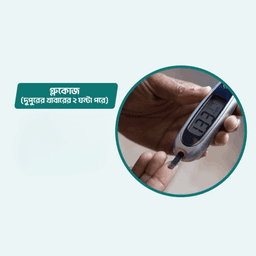

How our test process works!

Purpose:
The Glucose Tolerance Test (GTT) assesses how well the body processes glucose, commonly used to diagnose conditions like diabetes and gestational diabetes.
Overview:
- Procedure: Blood glucose levels are measured before and at specific intervals after consuming a glucose-rich drink (usually 75g).
- Indication: Typically performed when the first GTT yields borderline or abnormal results, or to monitor conditions like impaired glucose tolerance.

Risk Factors for GDM:
-
- Obesity or being overweight before pregnancy
- Previous history of gestational diabetes in a prior pregnancy
- Family history of diabetes (especially in first-degree relatives)
- Age over 25 years
- Polycystic ovary syndrome (PCOS)
- Ethnicity (higher risk in Hispanic, African-American, Native American, South or East Asian, or Pacific Islander women)
- Previous delivery of a large baby (over 9 pounds or 4 kilograms)
- Unexplained stillbirth or a miscarriage
Purpose of the Test: The GTT-3 is used when the initial screening test (often the 1-hour glucose challenge test) is positive. It helps to confirm or rule out the diagnosis of gestational diabetes.

The normal values for the 3-hour GTT are:
Fasting: < 95 mg/dL (5.3 mmol/L)
1 hour: < 180 mg/dL (10.0 mmol/L)
2 hours: < 155 mg/dL (8.6 mmol/L)
3 hours: < 140 mg/dL (7.8 mmol/L)
Diagnosis of GDM: Gestational diabetes is typically diagnosed if two or more of these values are exceeded.

Normal Results: If all the glucose levels are within the normal range, the patient does not have gestational diabetes.
Abnormal Results: If two or more of the glucose measurements are above the normal range, gestational diabetes is diagnosed.
Borderline Results: If only one value is abnormal, the test may need to be repeated, or the patient may be monitored more closely.

Blood Samples: Venous blood samples are used for glucose measurement in the GTT-3. The blood is typically drawn from the arm.
Frequently Asked Question
GTT 3rd
3rd Test During Pregnancy Explanation of why a second OGTT may be necessary during pregnancy and when it is typically recommended.


The Gestational Glucose Tolerance Test (GTT-3) involves drinking a glucose solution after fasting overnight. Blood samples are taken at certain intervals to measure glucose levels. This test helps healthcare providers evaluate how the body processes sugar during pregnancy and whether there's a risk of gestational diabetes.
Covid Safety
Assured
Free Report
Counselling
