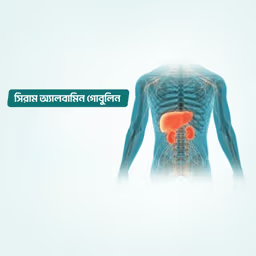
Bilirubin is a substance made when your body breaks down old red blood cells. This is a normal process. Bilirubin is also part of bile, which your liver makes to help digest the food you eat. This bilirubin travels from the liver into the small intestine. A very small amount passes into your kidneys and is excreted in your urine. This bilirubin also gives urine its distinctive yellow color.Indirect bilirubin, also known as unconjugated bilirubin, is the direct product of the breakdown of haemoglobin. The unmodified bilirubin binds to albumin, facilitating easy transport from blood to the liver.
This test measures the amount of bilirubin in your blood to check the health of your liver
Test result interpretation
The Indirect Bilirubin test measures the level of unconjugated bilirubin in the bloodstream. Unconjugated bilirubin is produced from the breakdown of hemoglobin in red blood cells and is not yet processed by the liver. Here's how to interpret the results of an Indirect Bilirubin test:
Normal Levels:
Normal values for indirect bilirubin typically range from 0.2 to 1.2 mg/dL (milligrams per deciliter) or 3.4 to 20.5 µmol/L (micromoles per liter).
Interpretation:
Within this range, it is generally considered normal and not indicative of any significant liver or blood-related disorders.
Elevated Levels:
Elevated levels of indirect bilirubin may indicate increased breakdown of red blood cells (hemolysis), impaired liver function, or obstruction of bile flow.
Interpretation:
Hemolysis: Conditions such as hemolytic anemia, where red blood cells are destroyed at an increased rate, can lead to elevated levels of indirect bilirubin.
Gilbert's Syndrome: This is a benign condition where the liver does not properly process bilirubin, leading to mildly elevated levels of unconjugated bilirubin.
Crigler-Najjar Syndrome: This is a rare genetic disorder characterized by impaired bilirubin conjugation, leading to severe elevation of unconjugated bilirubin levels.
Clinical Correlation:
Interpretation of indirect bilirubin levels should be done in conjunction with the patient's medical history, symptoms, and other liver function tests.
Additional diagnostic tests or evaluations may be necessary to determine the underlying cause of elevated indirect bilirubin and guide appropriate management.
Further Evaluation:
Depending on the clinical context, further evaluation may include liver function tests, direct bilirubin measurement, imaging studies (e.g., ultrasound, MRI), or liver biopsy to assess liver function and identify the underlying cause of elevated bilirubin levels.