
Measuring Hormonal Levels for Comprehensive Metabolic and Diabetes Health Assessment


Insulin ( from Latin insula, 'island') is a peptide hormone produced by beta cells of the pancreatic islets encoded in humans by the insulin (INS) gene. It is considered to be the main anabolic hormone of the body. It regulates the metabolism of carbohydrates, fats and protein by promoting the absorption of glucose from the blood into liver, fat and skeletal muscle cells.

Covid Safety
Assured

Free Report
Counselling
Recommended for You


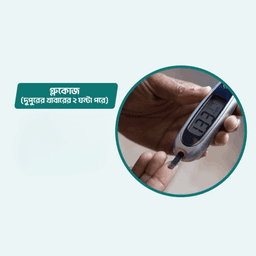
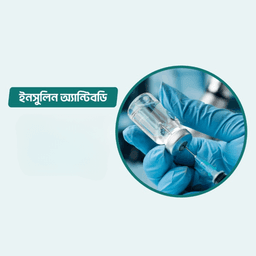
How our test process works!

The fasting insulin test measures insulin levels in the blood after 8–12 hours of fasting. It evaluates insulin productionand is used to detect insulin resistance, hyperinsulinemia, type 2 diabetes, and conditions like metabolic syndrome or polycystic ovary syndrome (PCOS).

Risk Assessment:
-
High Insulin Levels:
- Associated with obesity, type 2 diabetes, and increased risk of cardiovascular disease.
- Sign of insulin resistance or excessive insulin production (e.g., early stages of type 2 diabetes).
-
Low Insulin Levels:
- Can result in hyperglycemia and potential long-term diabetes complications if untreated.
HOMA-IR (Insulin Resistance):
The test is often combined with fasting glucose to calculate HOMA-IR, a marker of insulin resistance.

2–25 µU/mL (varies slightly by laboratory).
Optimal range: <10 µU/mL for healthy individuals.

Interpretation of Results:
-
Low Insulin (<2 µU/mL):
- May indicate type 1 diabetes, severe pancreatic damage, or beta-cell exhaustion in advanced type 2 diabetes.
-
Normal Insulin (2–10 µU/mL):
- Reflects healthy insulin regulation.
-
High Insulin (>25 µU/mL):
- Suggests insulin resistance, often seen in prediabetes, type 2 diabetes, metabolic syndrome, or PCOS.
- May indicate hyperinsulinemia, a risk factor for cardiovascular diseases and metabolic complications.

Blood sample:
-
- Collected via venipuncture after 8–12 hours of fasting.
Frequently Asked Question
Insulin (Fasting)
Measuring Hormonal Levels for Comprehensive Metabolic and Diabetes Health Assessment


Insulin ( from Latin insula, 'island') is a peptide hormone produced by beta cells of the pancreatic islets encoded in humans by the insulin (INS) gene. It is considered to be the main anabolic hormone of the body. It regulates the metabolism of carbohydrates, fats and protein by promoting the absorption of glucose from the blood into liver, fat and skeletal muscle cells.
Covid Safety
Assured
Free Report
Counselling
