
Understanding Insulin Response After Meals Insulin Dynamics Following Food Consumption""Measuring Insulin Levels Post Meal""Insulin Response to Eating: A Post Prandial Analysis""Examining Insulin Secretion After Eating""Insulin Levels After Food Intake: What to Expect""Assessing Insulin Release Post-Prandial""Insulin Monitoring After Meals: Importance and Process""Insulin Fluctuations After Eating: Implications for Health""Post Prandial Insulin Levels: Insights into Metabolic Health"


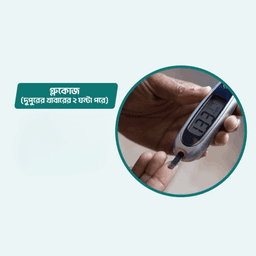
The postprandial insulin test measures the amount of insulin in your blood after you've eaten a meal. Insulin is a hormone produced by the pancreas that helps regulate blood sugar levels by facilitating the uptake of glucose into cells for energy or storage. After eating, blood sugar levels rise, prompting the pancreas to release insulin to help move glucose out of the bloodstream and into cells. The postprandial insulin test is typically done a couple of hours after eating, when insulin levels should be at their peak. Abnormal results may indicate insulin resistance, diabetes, or other metabolic disorders.

Covid Safety
Assured

Free Report
Counselling
Recommended for You


How our test process works!

Overview
Purpose: The Insulin PP test evaluates the insulin response to food intake. It is often used to assess how effectively the pancreas produces insulin in response to a meal and to help diagnose conditions like insulin resistance, type 2 diabetes, and other metabolic disorders.
Indications for Testing:
- Diagnosis: To diagnose insulin resistance or type 2 diabetes.
- Monitoring: To monitor insulin levels in patients with known insulin resistance or diabetes.
- Assessment: To evaluate the effectiveness of diabetes management strategies.

Risk Assessment
Normal Function: After a meal, insulin levels typically rise to help the body process glucose from the food. The test helps assess if insulin levels rise appropriately and if the body is responding correctly to glucose.
Increased Risk: Abnormal insulin levels can indicate:
- Insulin Resistance: A condition where the body's cells do not respond effectively to insulin, often seen in type 2 diabetes.
- Type 2 Diabetes: Characterized by high insulin levels due to the body's inability to use insulin properly.
- Hyperinsulinemia: Excessive levels of insulin in the blood, which can be associated with conditions like metabolic syndrome or certain pancreatic disorders.

Normal Range
Normal Range: The normal range for the Insulin PP test can vary based on the lab and the specific assay used, but general reference ranges are:
- Postprandial Insulin Levels: Typically, less than 50-70 µU/mL (micro-units per milliliter) depending on the timing and the individual's metabolism.

Interpretation of Results:
- Normal Result: Insulin levels rise appropriately after a meal but return to baseline levels within a few hours.
- Elevated Insulin Levels: May indicate insulin resistance or hyperinsulinemia. High levels could be a sign that the body is producing more insulin to overcome resistance.
- Low Insulin Levels: Can be seen in cases of type 1 diabetes or advanced type 2 diabetes where the pancreas does not produce sufficient insulin.

Sample Type
Sample Type: The Insulin PP test requires a blood sample:
- Blood Sample: Typically obtained via a standard blood draw. For accurate results, the test is often performed after a standard meal, with insulin levels measured at specific intervals, such as 1-2 hours after eating.
Frequently Asked Question
Insulin(PP)
Understanding Insulin Response After Meals Insulin Dynamics Following Food Consumption""Measuring Insulin Levels Post Meal""Insulin Response to Eating: A Post Prandial Analysis""Examining Insulin Secretion After Eating""Insulin Levels After Food Intake: What to Expect""Assessing Insulin Release Post-Prandial""Insulin Monitoring After Meals: Importance and Process""Insulin Fluctuations After Eating: Implications for Health""Post Prandial Insulin Levels: Insights into Metabolic Health"


The postprandial insulin test measures the amount of insulin in your blood after you've eaten a meal. Insulin is a hormone produced by the pancreas that helps regulate blood sugar levels by facilitating the uptake of glucose into cells for energy or storage. After eating, blood sugar levels rise, prompting the pancreas to release insulin to help move glucose out of the bloodstream and into cells. The postprandial insulin test is typically done a couple of hours after eating, when insulin levels should be at their peak. Abnormal results may indicate insulin resistance, diabetes, or other metabolic disorders.
Covid Safety
Assured
Free Report
Counselling
