
Introduction Overview of the Glucose Challenge Test Purpose and Importance Test Procedure Preparation for the Test Administration of the 50g Glucose Solution Timing and Blood Sample Collection Normal and Abnormal Results Expected Plasma Glucose Levels Thresholds for Normal vs. Elevated Levels Interpretation of Results Clinical Significance Implications of Elevated Glucose Levels Risk Factors for Gestational Diabetes Further Diagnostic Testing (e.g., Oral Glucose Tolerance Test) Management and Follow-up Recommendations for Patients with Elevated Levels Dietary and Lifestyle Modifications Monitoring and Medical Management Conclusion Summary of Key Points Importance of Early Detection and Management


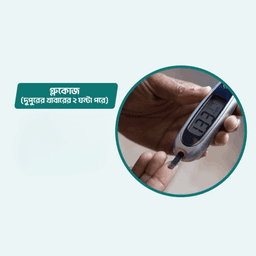
Description: The plasma glucose test measures the level of glucose (sugar) in your blood. This test is commonly used to screen for gestational diabetes, which can occur during pregnancy. Procedure: Preparation: You might be asked to fast overnight before the test. Glucose Intake: You will be given a drink containing 50 grams of glucose. Timing: One hour after consuming the glucose drink, a blood sample will be taken from your vein. Measurement: The blood sample is then analyzed to measure the glucose level. Purpose: The purpose of the test is to see how well your body processes glucose. Elevated levels of glucose in the blood may indicate gestational diabetes. Normal Range: A normal blood glucose level one hour after consuming 50 grams of glucose is generally considered to be less than 140 mg/dL. Levels above this may require further testing or indicate gestational diabetes.

Covid Safety
Assured

Free Report
Counselling
Recommended for You


How our test process works!

Overview
The 50g glucose challenge test (GCT) is a screening test commonly used during pregnancy (24-28 weeks) to detect gestational diabetes mellitus (GDM). It involves drinking a solution containing 50g of glucose and measuring plasma glucose levels one hour later.

- Obesity
- Advanced maternal age (>30 years)
- Family history of diabetes
- Previous history of GDM or macrosomic baby
- Ethnicity (higher prevalence in certain ethnic groups).

Plasma glucose <140 mg/dL (7.8 mmol/L): Normal (low risk for gestational diabetes).

Interpretation
- <140 mg/dL: Low risk for gestational diabetes. No further testing needed.
- 140–199 mg/dL: Requires a follow-up oral glucose tolerance test (OGTT) with a 100g glucose load to confirm diagnosis.
- ≥200 mg/dL: High likelihood of gestational diabetes, and further testing may not be needed.

Specimen and Sample Type
Specimen Type:Blood
Sample Type:Plasma
Procedure
1. The patient drinks a 50g glucose solution.
2. Blood is drawn exactly one hour after the glucose ingestion.
3. The blood sample is processed to measure the plasma glucose level.
Frequently Asked Question
Plasma glucose 1 hour after 50gm glucose
Introduction Overview of the Glucose Challenge Test Purpose and Importance Test Procedure Preparation for the Test Administration of the 50g Glucose Solution Timing and Blood Sample Collection Normal and Abnormal Results Expected Plasma Glucose Levels Thresholds for Normal vs. Elevated Levels Interpretation of Results Clinical Significance Implications of Elevated Glucose Levels Risk Factors for Gestational Diabetes Further Diagnostic Testing (e.g., Oral Glucose Tolerance Test) Management and Follow-up Recommendations for Patients with Elevated Levels Dietary and Lifestyle Modifications Monitoring and Medical Management Conclusion Summary of Key Points Importance of Early Detection and Management


Description: The plasma glucose test measures the level of glucose (sugar) in your blood. This test is commonly used to screen for gestational diabetes, which can occur during pregnancy. Procedure: Preparation: You might be asked to fast overnight before the test. Glucose Intake: You will be given a drink containing 50 grams of glucose. Timing: One hour after consuming the glucose drink, a blood sample will be taken from your vein. Measurement: The blood sample is then analyzed to measure the glucose level. Purpose: The purpose of the test is to see how well your body processes glucose. Elevated levels of glucose in the blood may indicate gestational diabetes. Normal Range: A normal blood glucose level one hour after consuming 50 grams of glucose is generally considered to be less than 140 mg/dL. Levels above this may require further testing or indicate gestational diabetes.
Covid Safety
Assured
Free Report
Counselling