
A plasma glucose 1-hour postprandial test measures blood sugar levels exactly one hour after eating to assess how well the body processes glucose.


The Plasma Glucose 1 Hour After Meal Test measures the concentration of glucose in the blood exactly one hour after eating. This test is commonly used to assess how the body manages glucose following a meal, providing crucial information about insulin sensitivity and potential issues with glucose metabolism. It is especially useful in diagnosing and monitoring conditions such as diabetes and gestational diabetes. By evaluating the body's response to food intake, healthcare providers can tailor treatment plans, dietary recommendations, and lifestyle changes to better manage or prevent complications related to abnormal blood sugar levels.

Covid Safety
Assured

Free Report
Counselling
Recommended for You


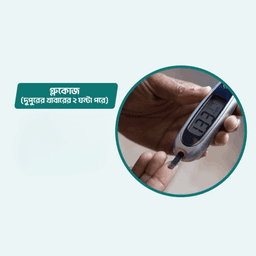
How our test process works!

The 1-hour postprandial glucose test measures the amount of glucose in the blood exactly one hour after eating a meal. This test helps evaluate how the body manages glucose after consuming carbohydrates, providing insight into metabolic health and the function of insulin.

Normal Range:Low risk for diabetes and cardiovascular diseases.
Impaired Glucose Tolerance (IGT): Intermediate risk. Lifestyle modifications, including diet and exercise, are often recommended to reduce the risk of developing diabetes.
Diabetes: High risk. Requires medical intervention, which may include lifestyle changes, medications, or insulin therapy to manage blood glucose levels and prevent complications.

Less than 140 mg/dL (7.8 mmol/L) one hour after a meal.

Below 140 mg/dL (7.8 mmol/L): Considered normal. Indicates normal glucose metabolism and effective insulin response.
140-199 mg/dL (7.8-11.0 mmol/L): Indicates impaired glucose tolerance (IGT) or prediabetes. This range suggests a higher risk for developing type 2 diabetes and cardiovascular disease.
200 mg/dL (11.1 mmol/L) or higher:Suggests diabetes. Further testing, such as fasting plasma glucose or an oral glucose tolerance test (OGTT), is recommended to confirm the diagnosis.

Specimen Type:Blood
Sample Type:Plasma
Frequently Asked Question
Plasma glucose 1 hr after meal
A plasma glucose 1-hour postprandial test measures blood sugar levels exactly one hour after eating to assess how well the body processes glucose.


The Plasma Glucose 1 Hour After Meal Test measures the concentration of glucose in the blood exactly one hour after eating. This test is commonly used to assess how the body manages glucose following a meal, providing crucial information about insulin sensitivity and potential issues with glucose metabolism. It is especially useful in diagnosing and monitoring conditions such as diabetes and gestational diabetes. By evaluating the body's response to food intake, healthcare providers can tailor treatment plans, dietary recommendations, and lifestyle changes to better manage or prevent complications related to abnormal blood sugar levels.
Covid Safety
Assured
Free Report
Counselling