
Plasma Glucose Levels Over 1.5 Hours: An Analysis


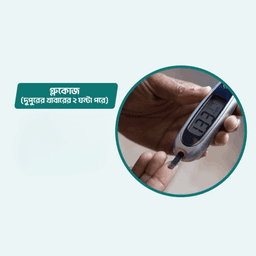
The Plasma Glucose 1.5-Hour After Breakfast (ABF) test is a medical procedure used to measure the level of glucose (sugar) in the blood 1.5 hours after consuming a meal. It is typically conducted to assess how effectively the body is processing glucose after eating. This test is particularly useful in diagnosing diabetes and monitoring glucose control in individuals with diabetes. A blood sample is taken from the patient 1.5 hours after consuming a standardized meal or a glucose drink, and the glucose level in the blood is measured using a glucose meter or laboratory analysis.

Covid Safety
Assured

Free Report
Counselling
Recommended for You


How our test process works!

The Plasma Glucose 1.5 Hours After Breakfast (ABF) test measures the blood glucose level 1.5 hours after eating breakfast. This test is commonly used to assess how well the body handles glucose after a meal, which is crucial for diagnosing and monitoring diabetes and other glucose metabolism disorders.

The test helps in assessing the risk of:
- Diabetes Mellitus
- Prediabetes
- Postprandial hyperglycemia
- Insulin resistance

Normal Range
Normal Range:The normal range for plasma glucose levels 1.5 hours after eating is typically 100-140 mg/dL (5.6-7.8 mmol/L).
Note:Normal ranges can vary slightly depending on the laboratory and the individual's age, health condition, and other factors.

Below Normal Range (<100 mg/dL or <5.6 mmol/L):
- May indicate hypoglycemia.
- Causes can include excessive insulin administration, insulinomas, or other metabolic disorders.
Within Normal Range (100-140 mg/dL or 5.6-7.8 mmol/L):
- Normal glucose metabolism.
- Indicates that the body is effectively managing blood sugar levels after eating.
Above Normal Range (>140 mg/dL or >7.8 mmol/L):
- May indicate postprandial hyperglycemia.
- Common in individuals with diabetes or prediabetes.
- Suggests possible insulin resistance or insufficient insulin production.
- Further testing (e.g., fasting blood glucose, HbA1c, or glucose tolerance test) may be needed for a definitive diagnosis.

Sample Type: Venous blood
Collection Method:A blood sample is drawn from a vein, typically in the arm.
Frequently Asked Question
Plasma glucose 1.5 hrs ABF
Plasma Glucose Levels Over 1.5 Hours: An Analysis


The Plasma Glucose 1.5-Hour After Breakfast (ABF) test is a medical procedure used to measure the level of glucose (sugar) in the blood 1.5 hours after consuming a meal. It is typically conducted to assess how effectively the body is processing glucose after eating. This test is particularly useful in diagnosing diabetes and monitoring glucose control in individuals with diabetes. A blood sample is taken from the patient 1.5 hours after consuming a standardized meal or a glucose drink, and the glucose level in the blood is measured using a glucose meter or laboratory analysis.
Covid Safety
Assured
Free Report
Counselling
