
Postprandial Glucose Dynamics: The 1-Hour After Lunch Analysis Assessing Glycemic Response: Plasma Glucose Levels 1 Hour Post-Lunch Understanding Immediate Glucose Response: Insights from the 1-Hour Afternoon Test Monitoring Metabolic Health: The Significance of 1-Hour Postprandial Glucose Lunchtime Glucose Monitoring: Implications for Diabetes Management The Importance of Timely Glucose Assessment: 1-Hour Post-Lunch Insights Evaluating Glucose Tolerance: An Analysis of Post-Lunch Plasma Glucose Real-Time Glycemic Monitoring: Exploring Plasma Glucose 1 Hour After Lunch 1-Hour Post-Meal Glucose Analysis: A Critical Component of Diabetes Care Optimizing Postprandial Monitoring: Focus on the Afternoon Glucose Test.


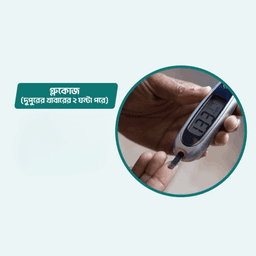
A plasma glucose test measures the amount of sugar in your blood. This test specifically looks at your blood sugar levels one hour after eating lunch. It helps assess how your body processes sugar after a meal, which is crucial for managing conditions like diabetes.

Covid Safety
Assured

Free Report
Counselling
Recommended for You


How our test process works!

The plasma glucose test measures the amount of glucose (sugar) in your blood at a specific time. When taken 1 hour after lunch, it helps to understand how your body processes carbohydrates and can be particularly useful in monitoring conditions like diabetes or prediabetes.

- Diabetes:High levels of plasma glucose 1 hour after lunch can indicate that the body is not processing sugar effectively, suggesting diabetes or insulin resistance.
- Prediabetes:Slightly elevated glucose levels may suggest prediabetes, a condition where blood sugar levels are higher than normal but not high enough to be classified as diabetes.
- Gestational Diabetes: This test can also be useful for pregnant women to check for gestational diabetes.

Normal Range
- **Non-Diabetic Individuals:** Typically, a normal range for plasma glucose 1 hour after a meal is less than 140 mg/dL (7.8 mmol/L).
- **Individuals with Diabetes:** Target levels may vary, but often the goal is to keep plasma glucose below 180 mg/dL (10.0 mmol/L) 1 hour after a meal, depending on individual health plans and recommendations from healthcare providers.

- Below Normal Range: If the plasma glucose level is significantly below normal, it may indicate hypoglycemia, which can cause symptoms like dizziness, sweating, confusion, and fainting.
- Normal Range:Indicates that your body is effectively processing the glucose from your meal, suggesting good metabolic health.
- Above Normal Range:Elevated glucose levels can indicate hyperglycemia, a condition commonly associated with diabetes, prediabetes, or other metabolic disorders.

Specimen: Blood
Sample Type: Plasma (the liquid part of the blood, separated from the blood cells).
Frequently Asked Question
Plasma glucose 1hr after lunch
Postprandial Glucose Dynamics: The 1-Hour After Lunch Analysis Assessing Glycemic Response: Plasma Glucose Levels 1 Hour Post-Lunch Understanding Immediate Glucose Response: Insights from the 1-Hour Afternoon Test Monitoring Metabolic Health: The Significance of 1-Hour Postprandial Glucose Lunchtime Glucose Monitoring: Implications for Diabetes Management The Importance of Timely Glucose Assessment: 1-Hour Post-Lunch Insights Evaluating Glucose Tolerance: An Analysis of Post-Lunch Plasma Glucose Real-Time Glycemic Monitoring: Exploring Plasma Glucose 1 Hour After Lunch 1-Hour Post-Meal Glucose Analysis: A Critical Component of Diabetes Care Optimizing Postprandial Monitoring: Focus on the Afternoon Glucose Test.


A plasma glucose test measures the amount of sugar in your blood. This test specifically looks at your blood sugar levels one hour after eating lunch. It helps assess how your body processes sugar after a meal, which is crucial for managing conditions like diabetes.
Covid Safety
Assured
Free Report
Counselling