
Effects of Oral Medication on Postprandial Glucose Levels Insulin Response to Glucose Load: A 2-Hour Analysis Comparative Study: Tablets vs. Insulin in Controlling Post-Meal Glucose Glucose Dynamics Following Medication Administration Optimizing Glycemic Control: Insights from 2-Hour ABF Testing Management Strategies for Postprandial Hyperglycemia Tablet vs. Insulin Therapy: Impact on Post-Meal Glucose Levels Understanding Glucose Metabolism with Tablet and Insulin Interventions Long-Term Glycemic Control: Evaluating 2-Hour ABF Responses Clinical Implications of 2-Hour ABF Testing with Oral Medications and Insulin


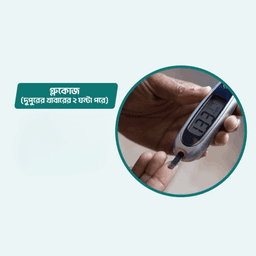
This test measures the level of glucose in the blood two hours after consuming breakfast, while taking into account whether the individual has taken a glucose-lowering tablet or insulin. It helps to assess how well the body is able to manage glucose levels after a meal, particularly in individuals with diabetes or those at risk of developing it.

Covid Safety
Assured

Free Report
Counselling
Recommended for You


How our test process works!

The plasma glucose 2 hours after breakfast (ABF) test measures the level of glucose in the blood two hours after eating a meal, typically breakfast. This test is often used to monitor glucose control in individuals with diabetes, particularly those on medication such as tablets or insulin.

High levels (above 200 mg/dL) could indicate uncontrolled diabetes, improper medication management, or the need for a change in treatment (e.g., adjusting insulin dosage or oral medications).
Low levels (hypoglycemia, below 70 mg/dL) may occur due to excess insulin or oral medication, or inadequate carbohydrate intake before or after the meal.

Normal: Less than 140 mg/dL (7.8 mmol/L)
Prediabetes: 140-199 mg/dL (7.8-11.0 mmol/L)
Diabetes: 200 mg/dL (11.1 mmol/L) or higher
The ranges can slightly vary depending on the laboratory performing the test.

Normal range (Less than 140 mg/dL): Indicates normal glucose tolerance. The body is able to manage sugar from the meal efficiently.
Prediabetes (140-199 mg/dL): Indicates impaired glucose tolerance (IGT). There’s a higher risk of developing diabetes in the future.
Diabetes (200 mg/dL or more): Suggests that blood sugar control is poor, and the patient likely has diabetes. If the patient is already diabetic, it may indicate inadequate control despite medication.

Specimen: Blood
Frequently Asked Question
Plasma glucose 2 hrs ABF (With Tablet / Insulin)
Effects of Oral Medication on Postprandial Glucose Levels Insulin Response to Glucose Load: A 2-Hour Analysis Comparative Study: Tablets vs. Insulin in Controlling Post-Meal Glucose Glucose Dynamics Following Medication Administration Optimizing Glycemic Control: Insights from 2-Hour ABF Testing Management Strategies for Postprandial Hyperglycemia Tablet vs. Insulin Therapy: Impact on Post-Meal Glucose Levels Understanding Glucose Metabolism with Tablet and Insulin Interventions Long-Term Glycemic Control: Evaluating 2-Hour ABF Responses Clinical Implications of 2-Hour ABF Testing with Oral Medications and Insulin


This test measures the level of glucose in the blood two hours after consuming breakfast, while taking into account whether the individual has taken a glucose-lowering tablet or insulin. It helps to assess how well the body is able to manage glucose levels after a meal, particularly in individuals with diabetes or those at risk of developing it.
Covid Safety
Assured
Free Report
Counselling