
Introduction to Postprandial Glucose Understanding Plasma Glucose Response The Impact of Food on Blood Sugar Factors Affecting Post-Meal Glucose Levels Measurement Techniques and Monitoring Normal vs. Abnormal Glucose Responses Health Implications of Postprandial Glucose Spikes Strategies for Managing Post-Meal Glucose Levels Dietary Interventions and Lifestyle Changes Medications and Insulin Therapy Personalized Approaches to Post-Meal Glucose Control Research and Future Directions


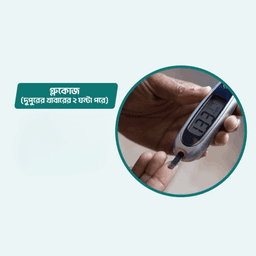
The plasma glucose 2 hours after meal test, also known as the postprandial glucose test, measures blood sugar levels approximately two hours after eating a meal. This test helps assess how well the body is processing glucose after consuming food, providing valuable information about insulin sensitivity and diabetes management.

Covid Safety
Assured

Free Report
Counselling
Recommended for You


How our test process works!

The Plasma Glucose 2 Hours After Meal test, also known as the postprandial glucose test, measures blood glucose levels two hours after consuming a meal. This test helps in assessing how effectively the body manages glucose after food intake, providing insights into the risk of diabetes and other metabolic disorders.

Factors Increasing Risk of Abnormal Results:
1. Pre-diabetes:
- Family history of diabetes
- Overweight or obesity
- Sedentary lifestyle
- High blood pressure or cholesterol
- Polycystic ovary syndrome (PCOS)
- History of gestational diabetes.
2. Diabetes:
- Strong family history of diabetes
- Overweight or obesity, particularly central obesity
- Physical inactivity
- Poor dietary habits (high in sugar and refined carbohydrates)
- Age (risk increases with age)
- Hypertension or hyperlipidemia
- History of cardiovascular disease.

Normal Range:
Non-diabetic individuals: Less than 140 mg/dL (7.8 mmol/L)
Pre-diabetes: 140 to 199 mg/dL (7.8 to 11.0 mmol/L)
Diabetes: 200 mg/dL (11.1 mmol/L) or higher.

Less than 140 mg/dL: Indicates normal glucose tolerance and effective glucose metabolism.
140 to 199 mg/dL: Suggests impaired glucose tolerance (pre-diabetes). Individuals in this range have a higher risk of developing type 2 diabetes and cardiovascular diseases.
200 mg/dL or higher: Indicates diabetes. This requires further medical evaluation and management to control blood glucose levels and prevent complications.

Specimen: Blood
Sample Type: Plasma (obtained from venous blood draw).
Frequently Asked Question
Plasma glucose 2 hrs after meal
Introduction to Postprandial Glucose Understanding Plasma Glucose Response The Impact of Food on Blood Sugar Factors Affecting Post-Meal Glucose Levels Measurement Techniques and Monitoring Normal vs. Abnormal Glucose Responses Health Implications of Postprandial Glucose Spikes Strategies for Managing Post-Meal Glucose Levels Dietary Interventions and Lifestyle Changes Medications and Insulin Therapy Personalized Approaches to Post-Meal Glucose Control Research and Future Directions


The plasma glucose 2 hours after meal test, also known as the postprandial glucose test, measures blood sugar levels approximately two hours after eating a meal. This test helps assess how well the body is processing glucose after consuming food, providing valuable information about insulin sensitivity and diabetes management.
Covid Safety
Assured
Free Report
Counselling