
Pre-Lunch Plasma Glucose Assessment Testing Plasma Glucose Levels Prior to Lunch Preprandial Plasma Glucose Evaluation Measuring Blood Sugar Pre-Lunch: A Vital Examination Before Lunch Blood Glucose Analysis: Understanding the Results Assessing Plasma Glucose Pre-Meal: Importance and Implications Pre-Lunch Plasma Glucose Levels: Diagnostic Insights Before Lunch Blood Sugar Test: Interpretation and Significance Analyzing Plasma Glucose Pre-Lunch: Clinical Considerations Understanding Preprandial Plasma Glucose for Optimal Health Management


A plasma glucose test before lunch measures the amount of sugar (glucose) present in your blood at the time just before your midday meal. This test helps assess your blood sugar levels and monitor for conditions like diabetes or hypoglycemia.

Covid Safety
Assured

Free Report
Counselling
Recommended for You
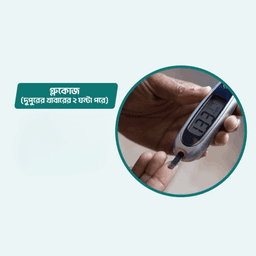


How our test process works!

The plasma glucose test measures the amount of glucose (sugar) in your blood. When conducted before lunch, it typically reflects a fasting state if breakfast has been skipped or a postprandial state if breakfast was consumed a few hours earlier. This test is commonly used to monitor blood glucose levels in individuals with diabetes or those at risk of developing diabetes.

The plasma glucose before lunch test is useful in:
Diabetes Management: Monitoring glucose levels to manage diabetes effectively.
Diabetes Diagnosis: Part of the diagnostic criteria for diabetes if other fasting or random glucose tests are also considered.
Prediabetes Screening: Identifying individuals at risk for developing diabetes.

1.Fasting Plasma Glucose(if no food has been consumed since the previous night):
- Normal: <100 mg/dL (5.6 mmol/L)
- Prediabetes: 100-125 mg/dL (5.6-6.9 mmol/L)
- Diabetes: ≥126 mg/dL (7.0 mmol/L) on two separate tests.
2.Postprandial Plasma Glucose (2 hours after a meal, including breakfast):
- Normal: <140 mg/dL (7.8 mmol/L)
- Impaired Glucose Tolerance (Prediabetes): 140-199 mg/dL (7.8-11.0 mmol/L)
- Diabetes: ≥200 mg/dL (11.1 mmol/L).

1.Normal Result: Indicates healthy glucose metabolism. If fasting, the result should be less than 100 mg/dL, and if postprandial, less than 140 mg/dL.
2.Prediabetes: Suggests a higher than normal blood glucose level but not high enough to be classified as diabetes. Requires lifestyle changes and monitoring.
3.Diabetes: High blood glucose level indicating diabetes. This requires a medical diagnosis and management plan, including medication, lifestyle changes, and regular monitoring.

Specimen: Blood
Sample Type: Plasma (the liquid part of the blood, obtained after centrifuging a blood sample)
Frequently Asked Question
Plasma glucose before lunch
Pre-Lunch Plasma Glucose Assessment Testing Plasma Glucose Levels Prior to Lunch Preprandial Plasma Glucose Evaluation Measuring Blood Sugar Pre-Lunch: A Vital Examination Before Lunch Blood Glucose Analysis: Understanding the Results Assessing Plasma Glucose Pre-Meal: Importance and Implications Pre-Lunch Plasma Glucose Levels: Diagnostic Insights Before Lunch Blood Sugar Test: Interpretation and Significance Analyzing Plasma Glucose Pre-Lunch: Clinical Considerations Understanding Preprandial Plasma Glucose for Optimal Health Management


A plasma glucose test before lunch measures the amount of sugar (glucose) present in your blood at the time just before your midday meal. This test helps assess your blood sugar levels and monitor for conditions like diabetes or hypoglycemia.
Covid Safety
Assured
Free Report
Counselling