
Harmony in Proteins: Unveiling the Essence of Albumin


The total protein test measures the total amount of two classes of proteins found in the fluid portion of your blood. These are albumin and globulin. Proteins are important parts of all cells and tissues. Albumin helps prevent fluid from leaking out of blood vessels. It also carries chemicals in your blood.

Covid Safety
Assured

Free Report
Counselling
Recommended for You


How our test process works!

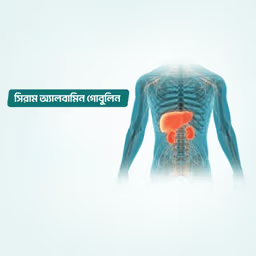
The serum albumin test measures the levels of albumin in your blood. Albumin is a protein made by the liver, essential for maintaining oncotic pressure (fluid balance in the blood vessels) and transporting substances such as hormones, vitamins, and drugs.
Purpose of the Test
- Evaluate liver function
- Assess nutritional status
- Detect kidney or gastrointestinal conditions leading to protein loss
- Monitor chronic illnesses or inflammation


Low Albumin Levels (Hypoalbuminemia):
-
- Common Causes:
- Liver disease (e.g., cirrhosis, hepatitis)
- Kidney disorders (e.g., nephrotic syndrome)
- Malnutrition or malabsorption (e.g., celiac disease)
- Chronic inflammation or infections
- Severe burns or trauma
- Symptoms: Swelling (edema), fatigue, or difficulty healing wounds.
- Common Causes:
High Albumin Levels (Hyperalbuminemia):
-
- Rare and often associated with:
- Severe dehydration
- High-protein diets or supplementation
- Usually not clinically significant.
- Rare and often associated with:

Sample: Venous blood
Collection Method: A blood sample is drawn from a vein, usually from the arm.
Frequently Asked Question
Serum Albumin
Harmony in Proteins: Unveiling the Essence of Albumin


The total protein test measures the total amount of two classes of proteins found in the fluid portion of your blood. These are albumin and globulin. Proteins are important parts of all cells and tissues. Albumin helps prevent fluid from leaking out of blood vessels. It also carries chemicals in your blood.
Covid Safety
Assured
Free Report
Counselling
