
The Thrombin-Antithrombin Complex (TAC) blood test measures the formation of thrombin-antithrombin complexes in the blood, providing insight into the activation of the coagulation system and thrombin generation.


The Thrombin-Antithrombin Complex (TAC) blood test measures the level of thrombin-antithrombin complexes in the blood, which are formed when thrombin, a key enzyme in the blood clotting process, is neutralized by antithrombin, a natural anticoagulant. This test is used to assess the activation of the coagulation system and is particularly useful in diagnosing and monitoring conditions associated with excessive blood clotting, such as disseminated intravascular coagulation (DIC), deep vein thrombosis (DVT), and other thrombotic disorders. Elevated TAC levels indicate increased thrombin generation and activity, reflecting a hypercoagulable state, while normal levels suggest balanced coagulation. The test is often performed alongside other coagulation assays to provide a comprehensive evaluation of hemostatic function.

Covid Safety
Assured

Free Report
Counselling
Recommended for You



How our test process works!

The Thrombin-Antithrombin Complex (TAC) blood test measures the levels of thrombin-antithrombin complexes in the blood, which form when thrombin (a key enzyme in blood clotting) is neutralized by antithrombin (a natural anticoagulant). This test helps assess the activation of the coagulation system, detect excessive clotting (hypercoagulability), and monitor conditions like deep vein thrombosis (DVT), disseminated intravascular coagulation (DIC), or thrombotic disorders. Elevated TAC levels indicate increased thrombin generation, signaling potential clotting abnormalities.

The Thrombin-Antithrombin Complex (TAC) blood test carries minimal risks, typical of a standard blood draw, such as slight pain, bruising, or infection at the needle site. However, it provides critical insights into clotting risks, helping identify hypercoagulable states, thrombotic disorders, or conditions like DIC, which, if untreated, can lead to severe complications like organ damage or life-threatening thrombosis.

The Thrombin-Antithrombin Complex (TAC) blood test typically has a reference range of 1.0–4.1 µg/L in healthy individuals. Elevated levels (>4.1 µg/L) indicate increased thrombin generation, suggesting hypercoagulability, thrombotic disorders, or conditions like DIC. Always consult a healthcare provider for interpretation, as ranges may vary by lab and clinical context.

Thrombin-Antithrombin Complex (TAC) Test Result Interpretation:
Normal Range (1.0–4.1 µg/L): Indicates typical thrombin activity and balanced coagulation.
Elevated Levels (>4.1 µg/L): Suggests increased thrombin generation, signaling hypercoagulability, thrombotic disorders (e.g., DVT, PE), or conditions like disseminated intravascular coagulation (DIC).
Clinical Context: Results should be interpreted alongside symptoms, medical history, and other coagulation tests for accurate diagnosis and management.

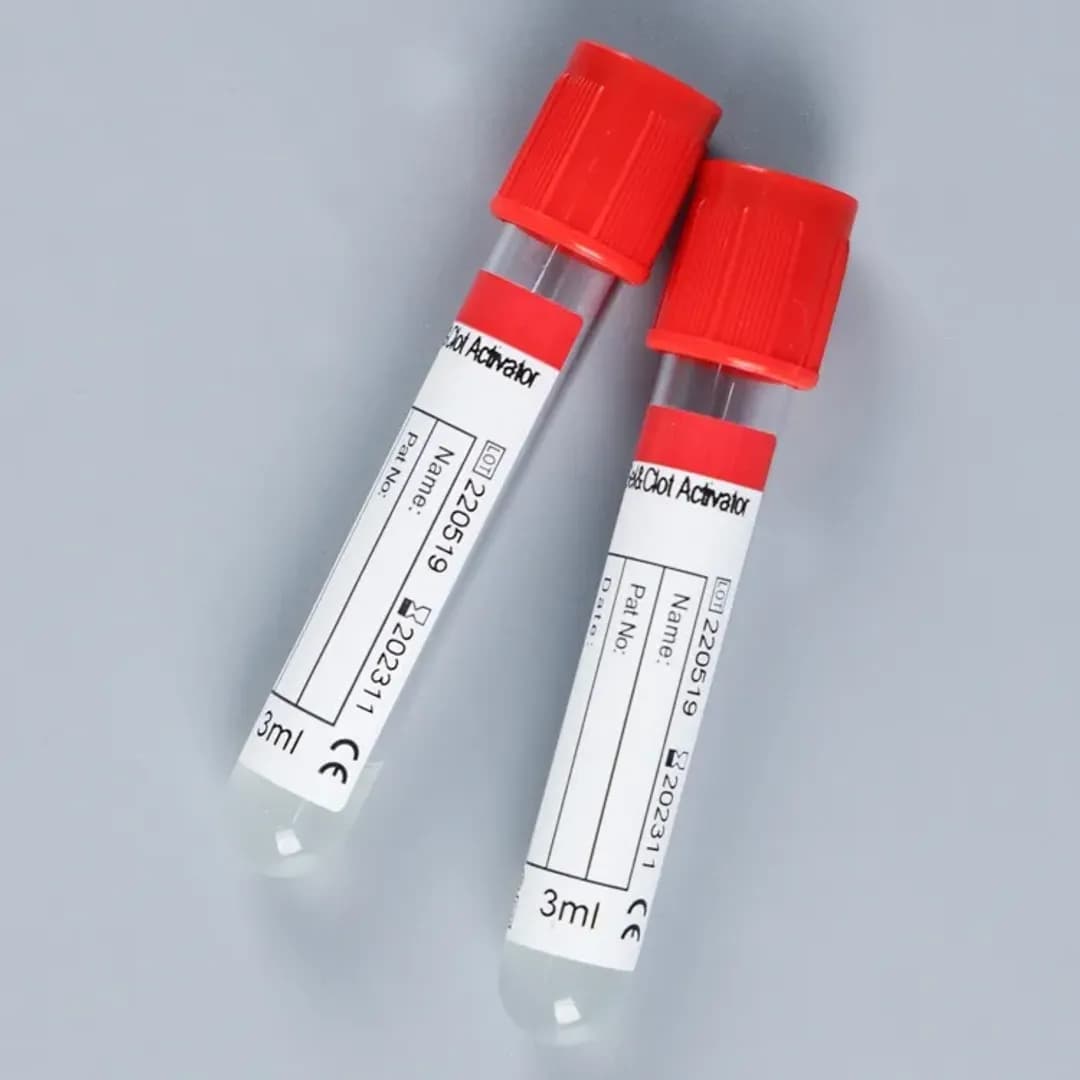
The Thrombin-Antithrombin Complex (TAC) blood test requires a plasma sample, typically collected from venous blood in a citrate anticoagulant tube (e.g., light blue top) to prevent clotting and ensure accurate measurement.
Frequently Asked Question
Thrombin-Antithrombin Complex (TAC)
The Thrombin-Antithrombin Complex (TAC) blood test measures the formation of thrombin-antithrombin complexes in the blood, providing insight into the activation of the coagulation system and thrombin generation.


The Thrombin-Antithrombin Complex (TAC) blood test measures the level of thrombin-antithrombin complexes in the blood, which are formed when thrombin, a key enzyme in the blood clotting process, is neutralized by antithrombin, a natural anticoagulant. This test is used to assess the activation of the coagulation system and is particularly useful in diagnosing and monitoring conditions associated with excessive blood clotting, such as disseminated intravascular coagulation (DIC), deep vein thrombosis (DVT), and other thrombotic disorders. Elevated TAC levels indicate increased thrombin generation and activity, reflecting a hypercoagulable state, while normal levels suggest balanced coagulation. The test is often performed alongside other coagulation assays to provide a comprehensive evaluation of hemostatic function.
Covid Safety
Assured
Free Report
Counselling
