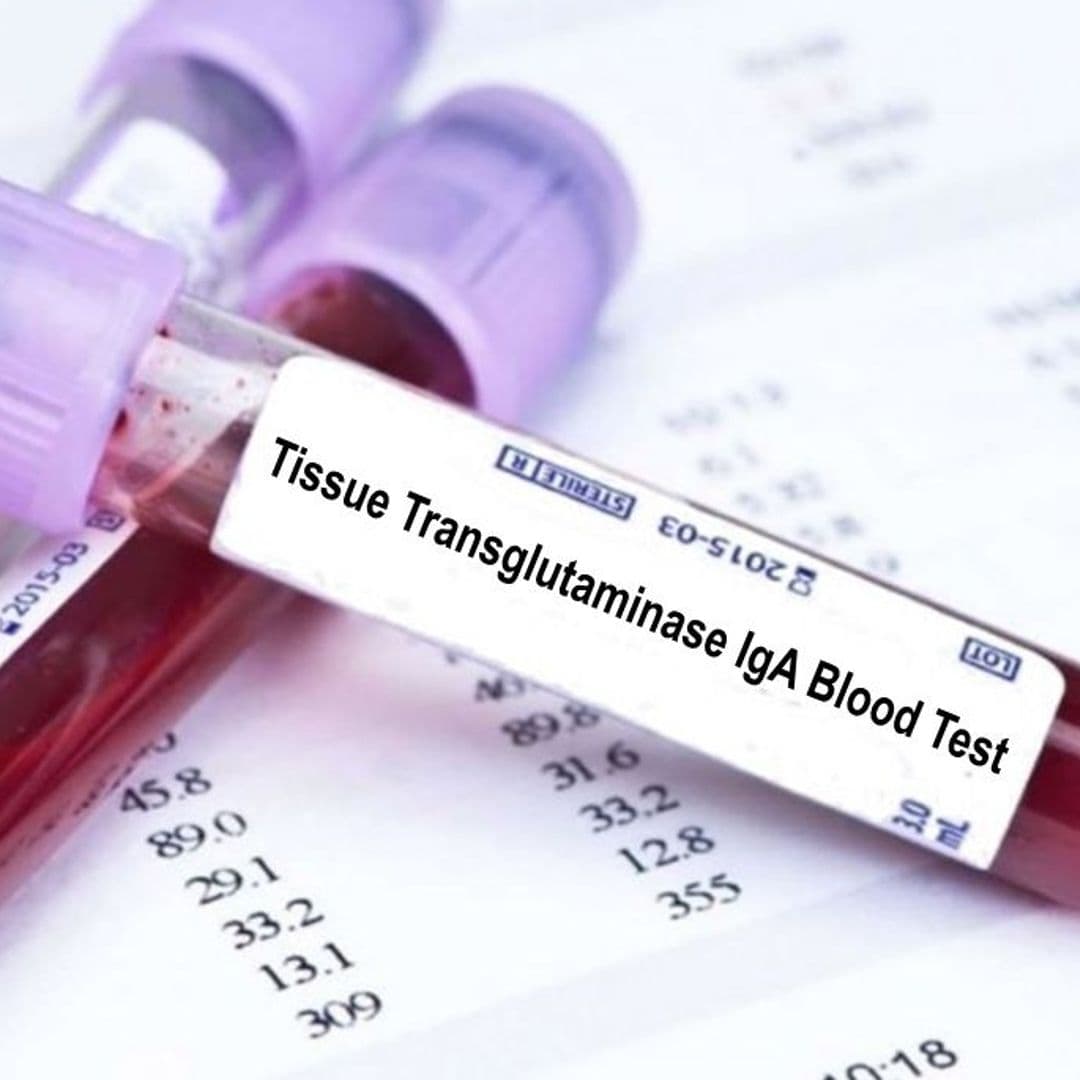
A blood test used for celiac disease diagnosis is the tissue transglutaminase IgA test. An autoimmune disease mostly affecting the digestive system is called celiac disease. Diseases known as autoimmune illnesses occur when the body targets itself. An enzyme called tissue transglutaminase aids in repairing all of the harm done to your body. Individuals suffering from celiac disease frequently produce antibodies that target the tissue transglutaminase enzyme. They are referred to as antibodies against tTG.
Individuals suffering from celiac disease report symptoms such as growth problems, anemia, gaseous distension, bloating, diarrhea, and problems with their small intestines. Gluten is the cause of celiac disease. The protein gluten is present in grains such as barley, rye, and wheat. It might be detrimental to your health to consume gluten if you have celiac disease.
Among the problems of celiac disease are malnourishment, osteoporosis, infertility, and intestinal cancer. Since celiac disease is an autoimmune condition, it can potentially lead to other autoimmune conditions such as autoimmune liver disorders, rheumatoid arthritis, thyroid disease, type 1 diabetes, systemic lupus erythematosus, and Sjogren's syndrome.
One of the several tests used to identify celiac disease and track the illness's prognosis in conjunction with treatment is the tissue transglutaminase IgA test. The Tissue Transglutaminase IgA Test determines whether your blood has IgA antibodies that are resistant to gluten. Gluten allergy occurs in people with celiac disease, and the body produces IgA antibodies in reaction to tissue transglutaminase.
Other Names of Tissue Transglutaminase IgA Test
IgA Anti-tTG
Coeliac Disease Testing
IgA Anti-Tissue Transglutaminase
tTG-IgA test
Coeliac Disease Antibody Testing
What Does the Tissue Transglutaminase IgA Test Measure? Who is the Tissue Transglutaminase IgA Test Prescribed For?
The anti-tTG IgA antibodies in your blood are measured by the Tissue Transglutaminase IgA Test. Your immune system creates antibodies in reaction to any disease, including bacteria and viruses, that enters the body. Tissue transglutaminase-specific proteins make up these antibodies. Immunoglobulin G (IgG), immunoglobulin M (IgM), and immunoglobulin A (IgA) are the three different forms of immunoglobulins, or antibodies. These immunoglobulins are created based on how they grow at various points following infection.
The overall quantity of IgA antibodies is the main focus of the Tissue Transglutaminase IgA Test.
The Tissue Transglutaminase IgA Test is prescribed for all age groups and genders. It helps identify the following health conditions -
People with coeliac disease, malabsorption, and/or malnutrition - People with symptoms of these diseases are often hard to identify. The symptoms are usually nonspecific and vary in presentation. Some symptoms are mild, and some may go unnoticed for a long time until they worsen or occur sporadically.
People with digestive symptoms - If you have any of the following symptoms, the doctor may prescribe Tissue Transglutaminase IgA Test.
Abdominal pain
Abdominal gaseous distension
Bloody stools
Flatulence
Chronic diarrhoea
Chronic constipation
Greasy, foul-smelling stools
Nausea and vomiting
People with the following signs and symptoms -
Easy bruising and/or bleeding
Iron-deficiency anaemia that is not responding to iron supplements
Bone and joint pain
Mouth ulcers
Weight loss
Fatigue
Weakness
Defects in dental enamel
Infertility
Osteoporosis
Children with the following symptoms -
Delayed development
Digestive tract symptoms like nausea, bloating, constipation, diarrhoea
Short stature
Failure to thrive
Some people with coeliac disease may also suffer from dermatitis herpetiformis, a medical condition that causes itchy blisters on the skin. This disease also increases your risk of developing lymphoma, a type of cancer.
Coeliac disease, Gluten-sensitive conditions
The Tissue Transglutaminase IgA Test results only show the presence or absence of the anti-tTG IgA antibodies.
< 4.0 U/ml
Negative
4.0 - 10.0 U/ml
Weak Positive
> 10.0 U/ml
Positive
Test result interpretation
disease if you test positive for tissue transglutaminase IgA. To confirm the diagnosis, a biopsy can be required.
A negative antibody test result suggests that you might not have celiac disease if you test negative for tissue transglutaminase IgA.
A follow-up negative result on the Tissue Transglutaminase IgA Test may indicate that your gluten-free dietary therapy is working if you have already been diagnosed with celiac disease.
If you are deficient in IgA antibodies or do not have the IgA antibody, you can receive a false-negative result. Research indicates that there is a 10–15 fold increased risk of IgA deficiency in individuals with celiac disease. Consult your doctor to interpret your results correctly and get the right kind of treatment.
The Tissue Transglutaminase IgA test requires blood collection. You have the option to take this test alone or in conjunction with all of your other assessments.
Tissue Transglutaminase IgA Test Preparation
To test for tissue transglutaminase IgA, a sample of your blood is taken.
a. Before the Tissue Transglutaminase IgA Test
There is no need for you to prepare for this test. Before your tissue transglutaminase IgA test, make sure you eat a regular diet. You need to eat gluten because cutting out gluten before the test might not provide you an adequate indication of your possible sensitivity.
b. During the Tissue Transglutaminase IgA Test
It is a simple blood test that will take 5-10 minutes to complete. There's nothing you need to do to get ready for the test.
c. After the Tissue Transglutaminase IgA Test
Following the Tissue Transglutaminase IgA Test, there are no limitations. You are free to carry on as usual.
Tissue Transglutaminase IgA Test Inclusions:
Which Parameters Are Included in the Test?
Anti-tTG IgA antibodies produced in the blood are measured by the Tissue Transglutaminase IgA Test report.
What is the recommended frequency of taking the tissue transglutaminase IgA test?
This test must only be completed if directed by a physician; it is not a requirement for a standard physical examination. Your doctor might repeat the Tissue Transglutaminase IgA Test every three to six months, depending on your symptoms. The Tissue Transglutaminase IgA Test aids in tracking the efficacy of treatment and the prognosis of celiac disease.