
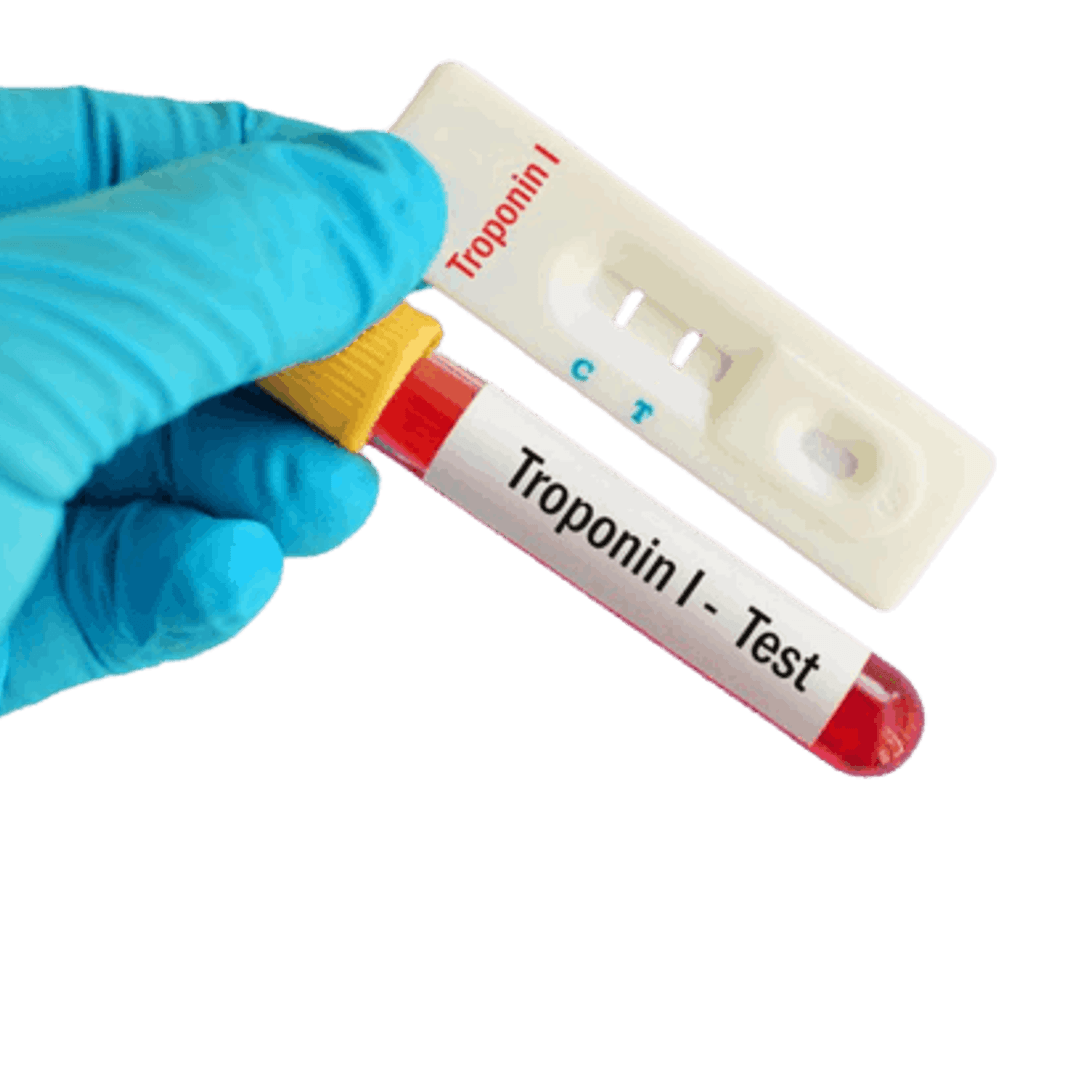
Precision Measurement for Evaluating Cardiac Health and Myocardial Injury


A troponin test is a blood test that can help assess heart damage. It is used along with other diagnostic tests to help assess the likelihood of a heart attack. If you have symptoms such as sudden chest pain, chest tightness, or shortness of breath, your healthcare provider may order a troponin test for you.

Covid Safety
Assured

Free Report
Counselling
Recommended for You


How our test process works!

Troponin-I Test Overview: Troponin-I is a protein found in cardiac muscle cells. When the heart muscle is damaged, troponin-I is released into the bloodstream, making it a valuable biomarker for assessing heart injury. The Troponin-I test is commonly used to diagnose conditions like acute myocardial infarction (heart attack), myocarditis, and other forms of cardiac injury.

Risk Assessment: The Troponin-I test is used as part of the evaluation for patients with chest pain or other symptoms that suggest a heart attack or other heart-related conditions. Elevated levels of troponin-I may indicate damage to the heart muscle. The test can also help in risk stratification, determining the likelihood of further cardiac events in individuals who already have heart disease or other risk factors.

Normal Range:
-
- Normal troponin-I levels vary slightly depending on the laboratory, but typically, they are below 0.04 ng/mL. Levels higher than this can indicate heart muscle damage.

Interpretation of Results:
- Normal Range:
- Normal troponin-I levels vary slightly depending on the laboratory, but typically, they are below 0.04 ng/mL. Levels higher than this can indicate heart muscle damage.
- Elevated Levels:
- Mild to moderate increases in troponin-I levels may suggest a minor heart injury or unstable angina.
- High levels typically point to a significant injury, such as a heart attack, and are correlated with a worse prognosis.
- Timing of Rise:
- Troponin-I levels begin to rise within 3-6 hours of heart muscle injury and peak around 12-24 hours. They can stay elevated for up to 1-2 weeks.
Factors Affecting Results:
- False positives can occur due to conditions like kidney failure, severe infections, and certain muscle injuries, as troponin is also found in skeletal muscles.
- False negatives might occur in the early hours following an acute heart attack, as troponin levels may not have risen yet.

Sample Type:
- Blood sample: The test requires a blood sample, usually obtained from a vein in the arm. The blood is analyzed to detect the levels of troponin-I.
Frequently Asked Question
Troponin - I
Precision Measurement for Evaluating Cardiac Health and Myocardial Injury


A troponin test is a blood test that can help assess heart damage. It is used along with other diagnostic tests to help assess the likelihood of a heart attack. If you have symptoms such as sudden chest pain, chest tightness, or shortness of breath, your healthcare provider may order a troponin test for you.
Covid Safety
Assured
Free Report
Counselling
