
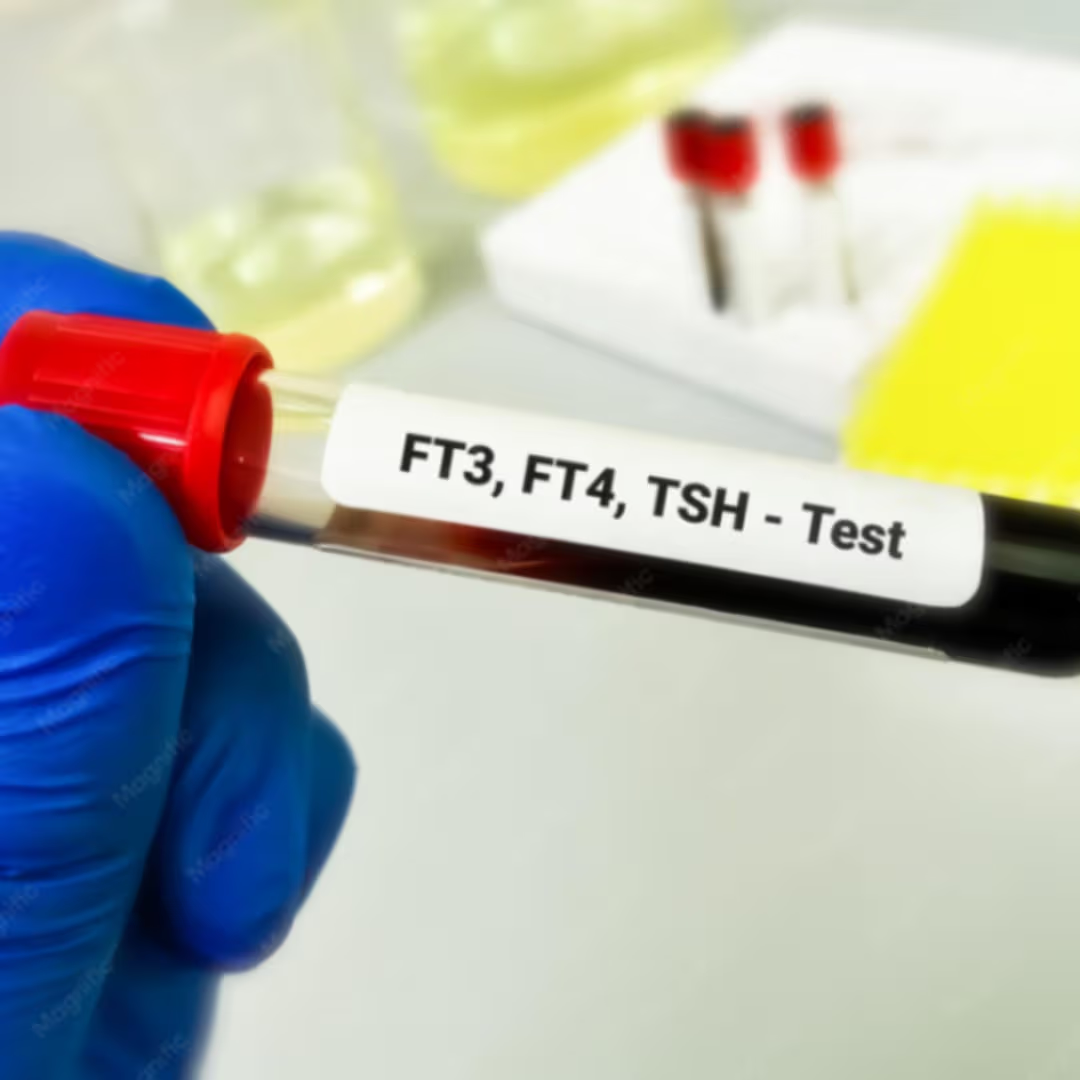
TSH, FT3 and FT4


The Thyroid Profile is a blood test that measures the levels of three important hormones related to thyroid function: TSH (Thyroid Stimulating Hormone): A hormone produced by the pituitary gland that stimulates the thyroid to produce hormones. FT3 (Free Triiodothyronine): The active form of thyroid hormone that regulates metabolism. FT4 (Free Thyroxine): The inactive form of thyroid hormone that is converted into T3 in the body. This test helps in evaluating thyroid health, diagnosing disorders such as hypothyroidism (underactive thyroid) or hyperthyroidism (overactive thyroid).

Covid Safety
Assured

Free Report
Counselling
Recommended for You


How our test process works!

Overview:
-
TSH (Thyroid Stimulating Hormone): Produced by the pituitary gland, TSH stimulates the thyroid gland to produce T3 and T4 hormones. A high TSH level indicates hypothyroidism (underactive thyroid), while low TSH indicates hyperthyroidism (overactive thyroid).
-
FT3 (Free Triiodothyronine): This is the active form of the thyroid hormone. It regulates many bodily processes, including metabolism, heart rate, and growth. FT3 is the free (unbound) form in the blood and is considered a more accurate measure of thyroid activity.
-
FT4 (Free Thyroxine): FT4 is the inactive form of thyroid hormone that is converted to T3 in the body. It regulates energy, growth, and metabolism. FT4 levels can help indicate thyroid function and diagnose disorders like hypothyroidism or hyperthyroidism.

Risk Assessment:
- Hypothyroidism: Can result in symptoms like fatigue, weight gain, cold intolerance, dry skin, and depression.
- Hyperthyroidism: Symptoms include weight loss, rapid heartbeat, anxiety, sweating, and muscle weakness.
- Thyroid Disorders: Imbalances in these hormones can indicate thyroid disorders like Graves' disease, Hashimoto's thyroiditis, or thyroid cancer.
- Factors such as age, family history, stress, and underlying health conditions (e.g., autoimmune diseases) can increase the risk of thyroid disorders.

Normal Range:
-
- TSH: 0.4 to 4.0 mIU/L (may vary slightly based on the lab).
- FT3: 2.3 to 4.2 pg/mL (can vary depending on the lab's method).
- FT4: 0.9 to 2.3 ng/dL (also varies with lab method).

Interpretation:
- TSH:
- High TSH: Likely indicates hypothyroidism (underactive thyroid).
- Low TSH: Could indicate hyperthyroidism (overactive thyroid).
- FT3 and FT4:
- High FT3/FT4 with low TSH: Likely indicates hyperthyroidism.
- Low FT3/FT4 with high TSH: Likely indicates hypothyroidism.

Sample Type:
- Blood: A blood sample is drawn, typically from a vein in the arm. The sample is sent to a lab for analysis.
Frequently Asked Question
FT3, FT4, TSH
TSH, FT3 and FT4


The Thyroid Profile is a blood test that measures the levels of three important hormones related to thyroid function: TSH (Thyroid Stimulating Hormone): A hormone produced by the pituitary gland that stimulates the thyroid to produce hormones. FT3 (Free Triiodothyronine): The active form of thyroid hormone that regulates metabolism. FT4 (Free Thyroxine): The inactive form of thyroid hormone that is converted into T3 in the body. This test helps in evaluating thyroid health, diagnosing disorders such as hypothyroidism (underactive thyroid) or hyperthyroidism (overactive thyroid).
Covid Safety
Assured
Free Report
Counselling
