
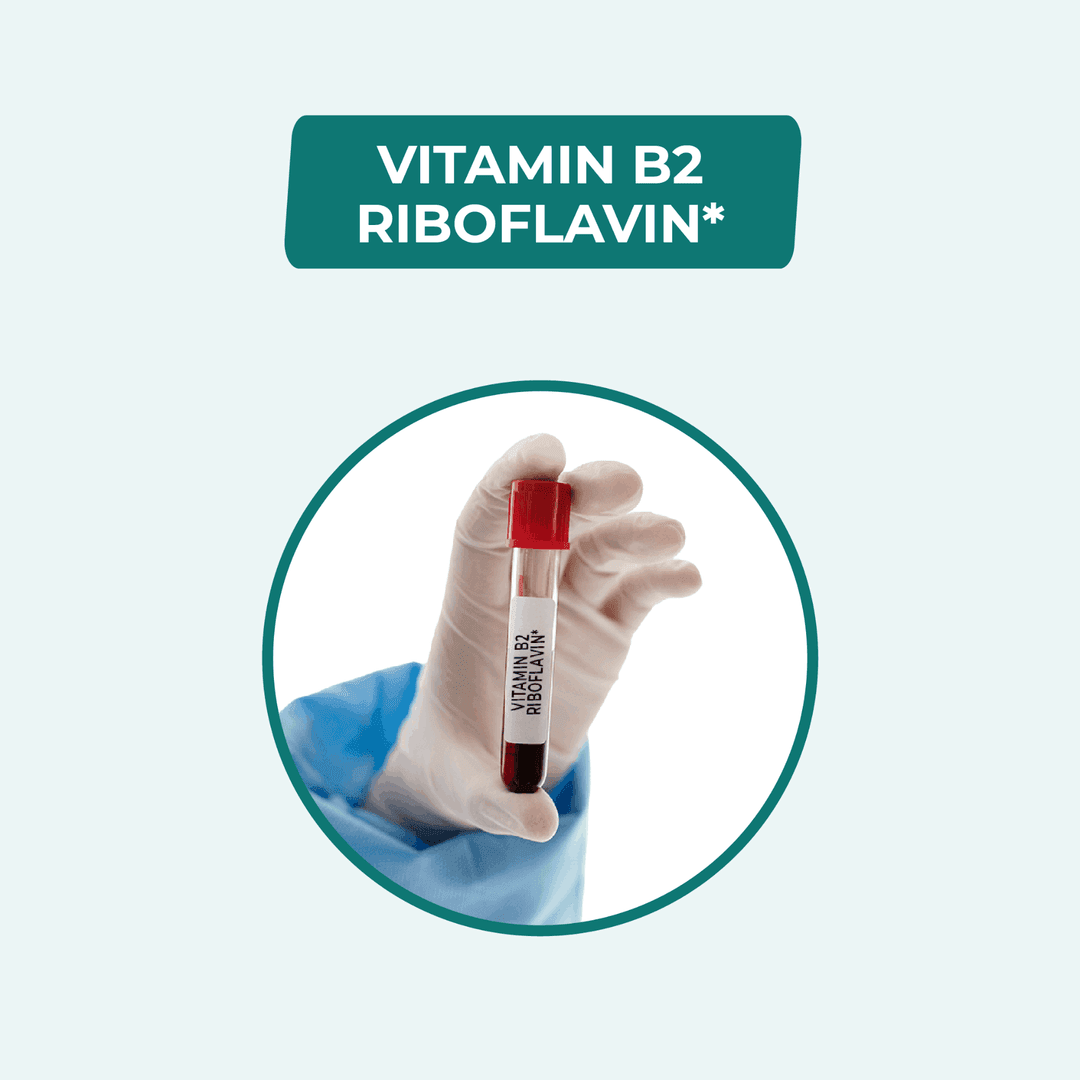
Blood and Urine Tests for Vitamin B2 (Riboflavin) Deficiency: Diagnosis and Interpretation


Test Description: Measures the level of vitamin B2 (riboflavin) in the blood to assess nutritional status and detect deficiencies.

Covid Safety
Assured

Free Report
Counselling
Recommended for You


How our test process works!

Overview
The Vitamin B2 (Riboflavin) test measures the levels of riboflavin in the blood or urine to assess deficiency or excess. Riboflavin is essential for energy production, red blood cell formation, and overall cellular function.

Risk Assessment
- Individuals with symptoms of riboflavin deficiency, such as:
- Cracks at the corners of the mouth (angular cheilitis)
- Red, swollen tongue (glossitis)
- Sensitivity to light (photophobia)
- Fatigue and weakness
- Skin disorders
- People with conditions that increase the risk of deficiency, including:
- Malabsorption disorders (e.g., Crohn’s disease, celiac disease)
- Chronic alcoholism
- Pregnancy and lactation
- Elderly individuals with poor nutrition
- Those taking certain medications that interfere with riboflavin absorption (e.g., antipsychotics, oral contraceptives).

Normal Range
- Blood plasma levels: 1–19 µg/L (0.003–0.056 µmol/L)
- Urinary excretion (24-hour collection): 40–190 µg/day (dependent on intake)
(Note: Reference ranges may vary by lab).

Interpretation of Results
Low Vitamin B2 (Deficiency)
- Possible causes:
- Poor diet (low intake of dairy, eggs, lean meats, and leafy greens)
- Malabsorption disorders
- Excessive alcohol consumption
- Possible consequences:
- Fatigue, anemia, and neurological issues
- Increased risk of cataracts
High Vitamin B2 (Excess)
- Rare, as riboflavin is water-soluble and excess is excreted in urine
- High levels may result from excessive supplementation but are generally not harmful.

Sample Type
- Blood Sample (Plasma or serum) – Requires a venous blood draw
- Urine Sample (24-hour collection or random sample) – Used to measure riboflavin excretion.
Frequently Asked Question
VITAMIN B2/RIBOFLAVIN
Blood and Urine Tests for Vitamin B2 (Riboflavin) Deficiency: Diagnosis and Interpretation


Test Description: Measures the level of vitamin B2 (riboflavin) in the blood to assess nutritional status and detect deficiencies.
Covid Safety
Assured
Free Report
Counselling
