
Sunshine for Health: Navigating Wellness Through Vitamin D Profiling


Vitamin D is an essential vitamin that helps regulate calcium and phosphorus in the body. It also plays a role in maintaining proper bone structure.

Covid Safety
Assured

Free Report
Counselling
Recommended for You


How our test process works!

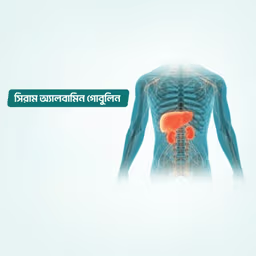
Vitamin D3 is a type of Vitamin D compound that is required by the body to keep its bones and teeth in excellent condition throughout its life. The Vitamin D3 Test means that your body will be examined to determine the current amounts of this important vitamin. The body does not directly utilize vitamin D. When Vitamin D enters the body, either by sun rays touching the skin or through food sources such as fish, eggs, and dairy products, the process of turning it into a usable resource for the body begins. When the Vitamin enters the body, it is transformed in the liver into a molecule known as 25-Hydroxyvitamin D (or Calcidiol). Once this conversion occurs, it is the optimal time to evaluate the body's Vitamin D (and Vitamin D3) levels. Vitamin D3 aids the body's absorption of essential nutrients. Phosphate and calcium are two of these nutrients. Furthermore, vitamin D aids in the healthy development of bones and teeth. The Vitamin D3 Test assists your healthcare practitioner in determining any Vitamin D3 deficiencies or excesses in your body that may be harmful to your health. The incidence of Vitamin D insufficiency in India is a public health concern. The Indian population suffers from a high rate of vitamin D deficiency. In such a case, it is critical to ensure that you and your family members have enough levels of Vitamin D and that your bones are healthy. Other Names of Vitamin D Test Calcidiol (25-hydroxyvitamin D) Test Calcifediol (25-hydroxy-vitamin D) Test 25-Hydroxy Vitamin D Test Cholecalciferol Test What does the Vitamin D Test Detect, and Who is it Prescribed for? The Vitamin D3 Test assesses the body's Vitamin D3 levels.
It is useful in the following circumstances: Diseases were caused by the diagnosis of Vitamin D insufficiency. The Vitamin D3 Test is used to diagnose various bone-weakening problems that are caused mostly by a Vitamin D3 deficiency in the body. This category includes bone health issues such as Osteomalacia (a disease in which bones become soft and readily shattered), Osteoporosis (in which bones grow weak and more prone to traumas), and Rickets (weak bones in infants caused by Vitamin D deficiency). People who have previously been diagnosed with a Vitamin D deficiency are occasionally put on treatment by their healthcare practitioners to assess the progress of their treatment. Doctors frequently require their patients to undergo the Vitamin D3 Test to track the progress of this medication. Individuals who have undergone Bariatric Surgery Many people who undergo bariatric surgery end up on a restricted diet. This poor diet frequently results in Vitamin D3 insufficiency. As a result, healthcare providers prescribe the Vitamin D3 Test to their patients to evaluate the aftereffects of surgery. Aside from the situations listed below, a Vitamin D3 Test may be recommended to those who exhibit the following signs of a deficiency: People suffering from gastrointestinal disorders such as Crohn's disease Bone brittleness Having shattered bones regularly Excessive weariness and constant tiredness The Vitamin D3 Test is appropriate for people of all ages and genders.


Frequently Asked Question
Vitamin-D
Sunshine for Health: Navigating Wellness Through Vitamin D Profiling


Vitamin D is an essential vitamin that helps regulate calcium and phosphorus in the body. It also plays a role in maintaining proper bone structure.
Covid Safety
Assured
Free Report
Counselling
