
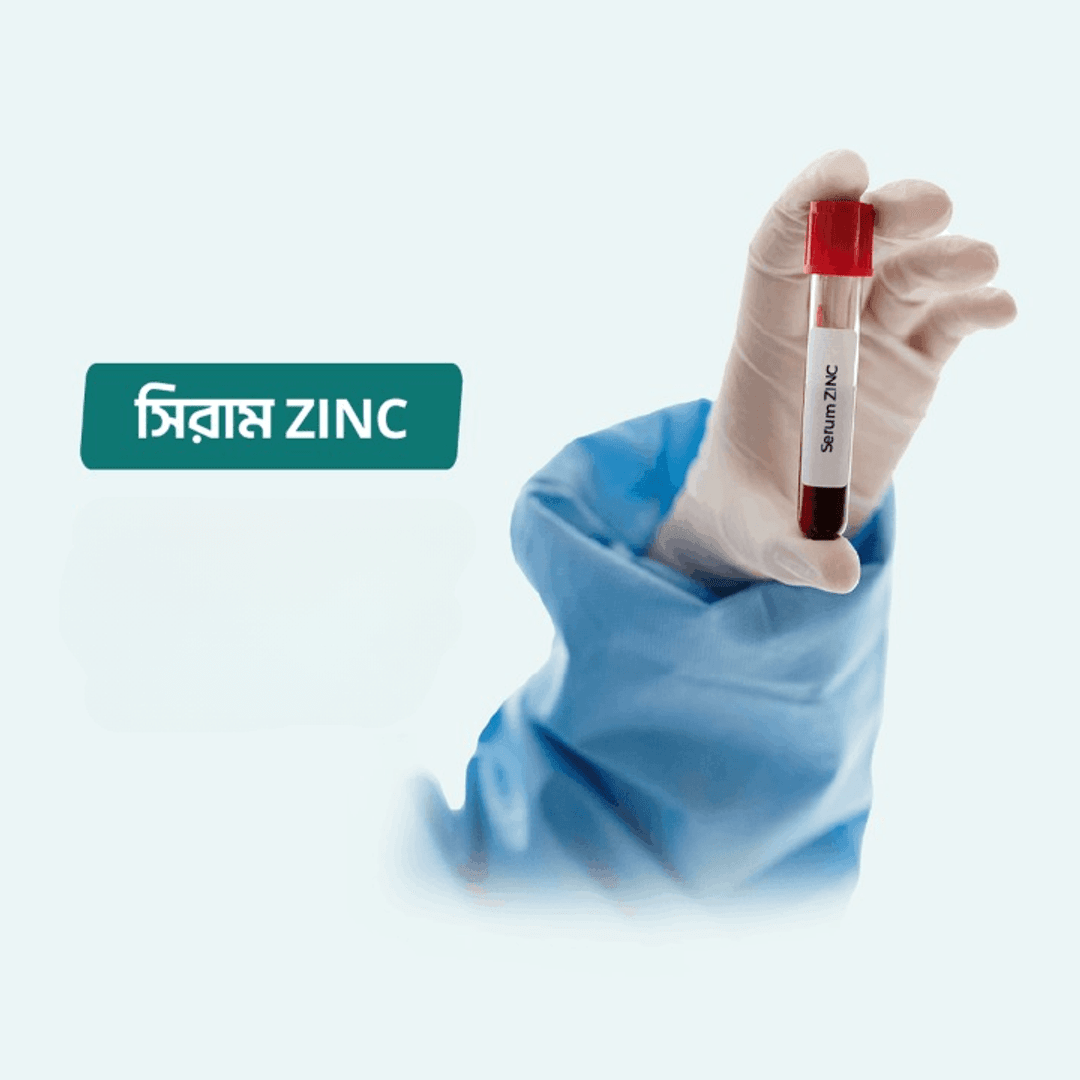
Vital Micronutrient Insight: Exploring Health through the Serum Zinc Test


The serum zinc test measures the level of zinc in the blood serum. While many other nutrient deficiencies are marked by a clear clinical syndrome, in the case of zinc, there is no such indicator. The signs are related to general growth impairment and immune impairment that does not point specifically to the deficiency of the element.

Covid Safety
Assured

Free Report
Counselling
Recommended for You


How our test process works!

Overview:
-
To assess zinc levels in the body.
-
Helps diagnose zinc deficiency or toxicity.
-
Evaluates causes of growth retardation, impaired wound healing, poor immunity, or taste abnormalities.

Risk Assessment:
-
Deficiency Risks:
-
Poor diet, malabsorption (e.g., Crohn’s, celiac), chronic diarrhea, liver disease, alcoholism, prolonged TPN, burns, or infections.
-
-
Toxicity Risks:
-
Over-supplementation, occupational exposure, excessive denture adhesive use.
-

Normal Range:
-
Serum/Plasma Zinc:
-
Adult: 70 – 120 µg/dL (can vary slightly by lab)
-
Children: May be slightly higher.
-

Interpretation:
-
Low Zinc:
-
Suggests deficiency; may present with alopecia, delayed healing, loss of taste/smell, growth issues.
-
-
High Zinc:
-
May cause GI upset, immune dysfunction, copper deficiency (due to interference with absorption).
-
-
Zinc levels can be affected by time of day, fasting status, inflammation, and recent meals.

Sample Type: Blood (serum or plasma).
Frequently Asked Question
Serum ZINC
Vital Micronutrient Insight: Exploring Health through the Serum Zinc Test


The serum zinc test measures the level of zinc in the blood serum. While many other nutrient deficiencies are marked by a clear clinical syndrome, in the case of zinc, there is no such indicator. The signs are related to general growth impairment and immune impairment that does not point specifically to the deficiency of the element.
Covid Safety
Assured
Free Report
Counselling
