
Comprehensive Analysis for Insightful Blood Sugar Evaluation


Urine sugar (glucose) and fasting blood sugar (FBS) tests are used together to assess glucose regulation in the body. Urine Sugar Test detects glucose in the urine. Normally, glucose should not appear in urine, but high blood sugar levels can cause glucose to spill into the urine, indicating possible diabetes or kidney issues. Fasting Blood Sugar (FBS) Test measures blood glucose levels after fasting for at least 8 hours. It helps diagnose diabetes or pre-diabetes. Correlation: If urine sugar is positive (glucose detected), it usually indicates high blood sugar, often confirmed by an elevated FBS (≥126 mg/dL), pointing to diabetes. Negative urine sugar and a normal FBS (70–100 mg/dL) indicate normal glucose regulation. Testing both provides a fuller picture of glucose control and diabetes risk.

Covid Safety
Assured

Free Report
Counselling
Recommended for You


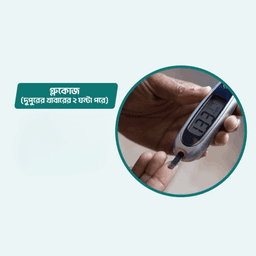

How our test process works!

A urine sugar test checks for the presence of glucose (sugar) in the urine, which can be an indicator of diabetes, kidney problems, or other health issues. Normally, urine should not contain glucose, as the kidneys typically reabsorb it. However, when blood sugar levels are too high, excess glucose can spill into the urine (a condition called glycosuria).

This test is generally safe, but there's a risk of false negatives if urine sugar levels are below the detection threshold or if the urine sample is not collected correctly. It's essential to follow proper collection procedures to ensure accurate results.

Normally, urine should not contain detectable levels of glucose. The presence of glucose in the urine after fasting may indicate impaired glucose metabolism, such as diabetes mellitus.

Negative result: No glucose detected in the urine, which is normal. Positive result: Presence of glucose in the urine, suggesting impaired glucose metabolism. Further evaluation may be needed to confirm conditions like diabetes mellitus.

Frequently Asked Question
Corresponding Urine Sugar with Fasting
Comprehensive Analysis for Insightful Blood Sugar Evaluation


Urine sugar (glucose) and fasting blood sugar (FBS) tests are used together to assess glucose regulation in the body. Urine Sugar Test detects glucose in the urine. Normally, glucose should not appear in urine, but high blood sugar levels can cause glucose to spill into the urine, indicating possible diabetes or kidney issues. Fasting Blood Sugar (FBS) Test measures blood glucose levels after fasting for at least 8 hours. It helps diagnose diabetes or pre-diabetes. Correlation: If urine sugar is positive (glucose detected), it usually indicates high blood sugar, often confirmed by an elevated FBS (≥126 mg/dL), pointing to diabetes. Negative urine sugar and a normal FBS (70–100 mg/dL) indicate normal glucose regulation. Testing both provides a fuller picture of glucose control and diabetes risk.
Covid Safety
Assured
Free Report
Counselling
