
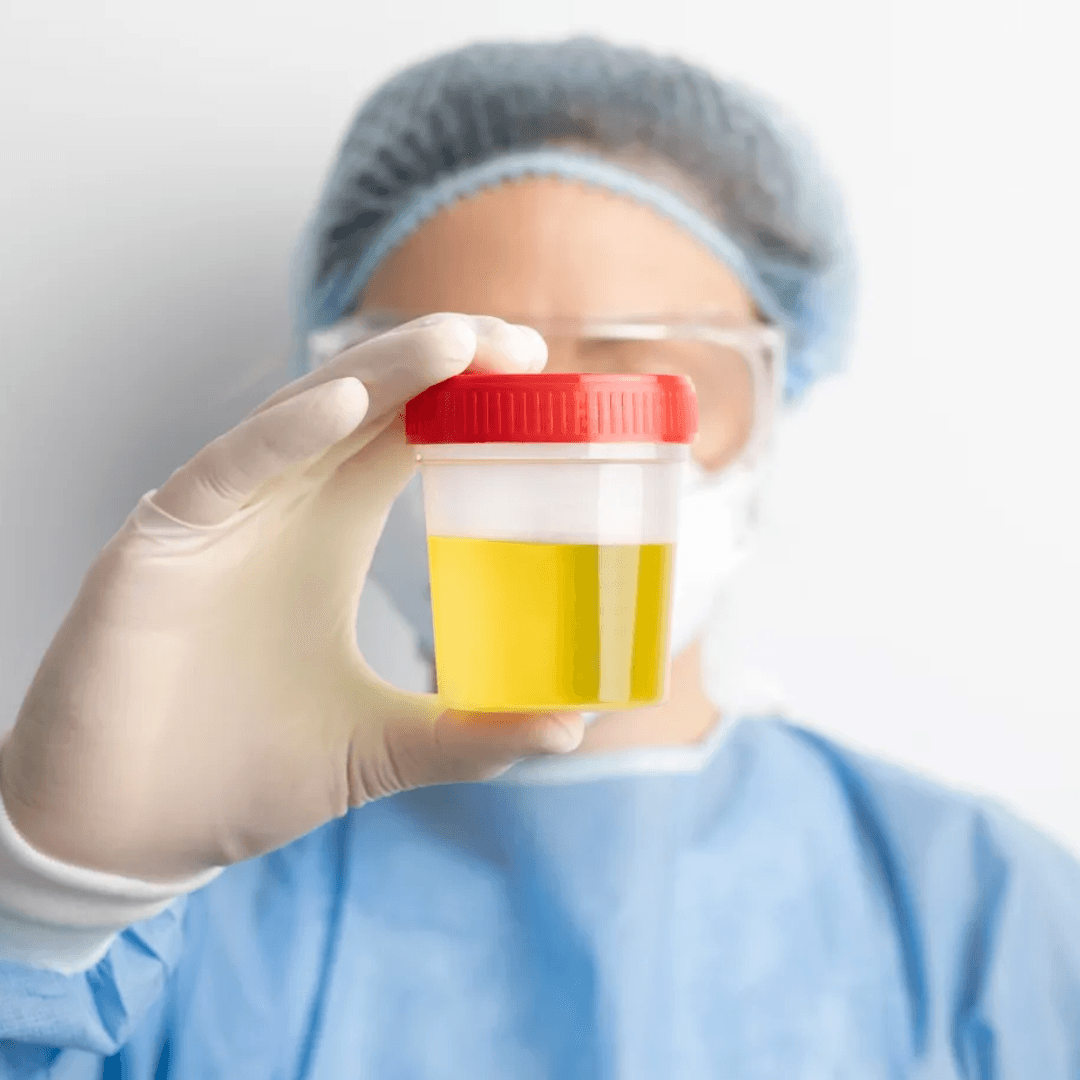
Urine Drug Test for 3 Common Substances.


The Drug Panel 3 test is a screening test used to detect the presence of three specific drugs or their metabolites in the urine. This test is often used for monitoring drug use, particularly in work environments, rehabilitation programs, or legal investigations.

Covid Safety
Assured

Free Report
Counselling
Recommended for You


How our test process works!

Overview:
The Drug Panel 3 typically screens for the following substances:
- Amphetamines
- Cocaine
- Marijuana (THC)
These substances are often tested in urine, saliva, or blood. The test is commonly used for employment purposes, pre-employment drug screening, or in clinical settings to monitor substance use.

Risk Assessment:
The risk of testing positive depends on several factors, including:
- Recent substance use: If the person has recently consumed any of the substances being tested for.
- Metabolism: Faster metabolism can lead to quicker clearance of drugs from the system.
- Frequency of use: Chronic or frequent users are more likely to have detectable levels in their system.
- Sample type: Certain samples (like hair) can show drug use over a longer period, whereas urine or saliva will only reflect more recent use.

Normal Range:
- There is no "normal range" for drug tests like there is for routine lab tests. A normal result is a negative result, meaning that no drugs are detected in the sample above a certain threshold.
- For each drug tested, laboratories set cut-off values for detection. These values represent the minimum concentration of the drug or its metabolites in the sample that would be considered a positive result.

Interpretation:
- Positive Result: Indicates the presence of the tested drug(s) at detectable levels in the sample. This may suggest drug use, but further confirmatory tests (such as GC-MS) are often needed to verify the result.
- Negative Result: Indicates that none of the substances being tested for are present in detectable amounts.
- Borderline/Indeterminate: Sometimes, results are inconclusive and may require further testing to ensure accuracy.

Sample Type:
- Urine: The most common sample type, as drugs and their metabolites are often excreted through urine.
- Blood: Used for more accurate and quantifiable measurements, but less commonly used for routine drug screening.
Frequently Asked Question
DRUG PANEL 3
Urine Drug Test for 3 Common Substances.


The Drug Panel 3 test is a screening test used to detect the presence of three specific drugs or their metabolites in the urine. This test is often used for monitoring drug use, particularly in work environments, rehabilitation programs, or legal investigations.
Covid Safety
Assured
Free Report
Counselling