
Subtitle: Assessing Insulin Resistance with HOMA-IR


Description: The HOMA-IR test is a tool used to evaluate insulin resistance, a condition where cells become less responsive to insulin, leading to impaired glucose metabolism. It involves measuring fasting insulin and glucose levels and using a mathematical formula to calculate the degree of insulin resistance. This information helps healthcare providers assess metabolic health and make appropriate recommendations for management and treatment.

Covid Safety
Assured

Free Report
Counselling
Recommended for You


How our test process works!

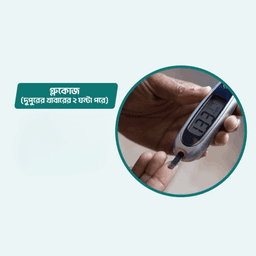
HOMA-IR (Homeostatic Model Assessment of Insulin Resistance) is a test used to assess insulin resistance, which is a key feature in conditions like type 2 diabetes and metabolic syndrome. The test is calculated using fasting blood glucose and fasting insulin levels. Insulin resistance is when cells in the body become less responsive to insulin, leading to higher blood sugar levels.

Risk Assessment
Increased HOMA-IR: High HOMA-IR values suggest a higher risk of insulin resistance, which can lead to type 2 diabetes, cardiovascular disease, and other metabolic conditions.
Decreased HOMA-IR: Low HOMA-IR values may indicate good insulin sensitivity, which is generally associated with a lower risk of the aforementioned conditions.

HOMA-IR Values:
Normal: Generally, a HOMA-IR value below 1.0-2.9 is considered normal, indicating low insulin resistance.
Borderline: A HOMA-IR value between 2.9-3.9 may suggest borderline insulin resistance.
High: A HOMA-IR value above 4.0 is often considered indicative of significant insulin resistance.

Low HOMA-IR: Indicates good insulin sensitivity. The body effectively uses insulin, and blood sugar levels are well-controlled.
High HOMA-IR: Suggests insulin resistance. The body needs more insulin to manage blood sugar levels, which could be a precursor to type 2 diabetes or metabolic syndrome.
Interpretation should be done in conjunction with other clinical findings and the patient’s medical history.

Blood Sample: The HOMA-IR calculation requires a fasting blood sample, where both glucose and insulin levels are measured. The patient typically fasts for 8-12 hours before the blood is drawn.
This test is often used in research and clinical settings to monitor insulin resistance and assess the risk of developing conditions like type 2 diabetes.
Frequently Asked Question
HOMA IR/Insulin Resistance Index (HOMA-IR)
Subtitle: Assessing Insulin Resistance with HOMA-IR


Description: The HOMA-IR test is a tool used to evaluate insulin resistance, a condition where cells become less responsive to insulin, leading to impaired glucose metabolism. It involves measuring fasting insulin and glucose levels and using a mathematical formula to calculate the degree of insulin resistance. This information helps healthcare providers assess metabolic health and make appropriate recommendations for management and treatment.
Covid Safety
Assured
Free Report
Counselling
