
Monitoring Metabolic Response for Optimal Blood Sugar Management


This test measures the blood sugar level one hour after eating (ABF stands for "After Breakfast"). It helps assess how well the body processes glucose and can be used to screen for conditions like diabetes or impaired glucose tolerance.

Covid Safety
Assured

Free Report
Counselling
Recommended for You


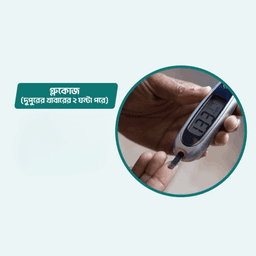
How our test process works!

The Plasma Glucose 1-hour ABF test measures blood glucose levels one hour after a standardized breakfast, providing insight into postprandial glycemic control.

The Plasma Glucose 1-hour ABF test helps assess postprandial glucose levels and is crucial for detecting abnormalities such as impaired glucose tolerance or diabetes. However, it may carry a risk of false positives or negatives if not performed correctly or interpreted in the context of other clinical factors.

Reference ranges for postprandial glucose levels vary depending on factors such as age, health status, and medical guidelines. Generally, values above 140 mg/dL (7.8 mmol/L) may indicate impaired glucose tolerance or diabetes.

Elevated glucose levels (>140 mg/dL or 7.8 mmol/L) at the 1-hour mark may suggest impaired glucose tolerance or diabetes. However, interpretation should consider individual clinical circumstances and may require confirmation with additional tests.

The Plasma Glucose 1-hour ABF test requires a blood sample collected one hour after a standardized breakfast. The blood is typically obtained through venipuncture and analyzed for glucose levels using laboratory methods.
Frequently Asked Question
Plasma glucose 1 hour ABF/B/S 1 Hrs.ABF
Monitoring Metabolic Response for Optimal Blood Sugar Management


This test measures the blood sugar level one hour after eating (ABF stands for "After Breakfast"). It helps assess how well the body processes glucose and can be used to screen for conditions like diabetes or impaired glucose tolerance.
Covid Safety
Assured
Free Report
Counselling
