
Plasma glucose 2 hour after 20gm glucose


The Plasma Glucose test, conducted 2 hours after the administration of a 20-gram glucose dose, is a diagnostic tool used to assess the body's ability to metabolize glucose effectively. This test measures the concentration of glucose in the blood following a controlled glucose intake, providing valuable insights into insulin function and glucose metabolism. It is often used in the context of diagnosing conditions such as diabetes mellitus and gestational diabetes, as well as evaluating the risk of developing these conditions. By analyzing the plasma glucose levels at the 2-hour mark, healthcare providers can identify abnormalities in glucose handling that may indicate underlying metabolic issues, guiding appropriate interventions and management strategies.

Covid Safety
Assured

Free Report
Counselling
Recommended for You


How our test process works!

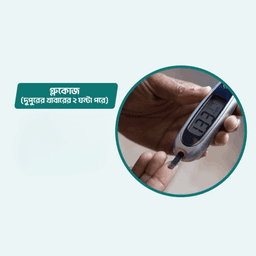
The plasma glucose test measures the level of glucose (sugar) in the blood after a specified amount of glucose has been ingested. This test helps to assess how the body handles glucose, an important indicator of metabolic health. The standard glucose challenge involves either 50g or 75g of glucose; however, you mentioned a 20g glucose challenge, which is less common and typically not a standard test. I'll provide an overview based on the standard tests but will adapt the interpretation for a 20g glucose load as much as possible.

This test is used to assess the risk for diabetes and other metabolic disorders. It can help in the diagnosis of:
- Type 2 diabetes
- Gestational diabetes (during pregnancy)
- Impaired glucose tolerance (prediabetes).

For the standard 75g oral glucose tolerance test (OGTT), the normal range for plasma glucose levels 2 hours after ingestion is:
Normal: Less than 140 mg/dL (7.8 mmol/L)
Impaired Glucose Tolerance (Prediabetes): 140 to 199 mg/dL (7.8 to 11.0 mmol/L).
Diabetes: 200 mg/dL (11.1 mmol/L) or higher.

Normal Response: For a 20g glucose load, a normal plasma glucose level would likely be significantly below 140 mg/dL (7.8 mmol/L) at the 2-hour mark, assuming a proportional response compared to a 75g load.
Elevated Response: Higher than expected glucose levels may indicate impaired glucose tolerance or early signs of diabetes, even though specific thresholds for a 20g load are not well-defined.

Sample Type: Blood plasma.
Collection Method: A blood sample is taken from a vein, typically in the arm, 2 hours after consuming the glucose solution.
Frequently Asked Question
Plasma glucose 2 hour after 20gm glucose
Plasma glucose 2 hour after 20gm glucose


The Plasma Glucose test, conducted 2 hours after the administration of a 20-gram glucose dose, is a diagnostic tool used to assess the body's ability to metabolize glucose effectively. This test measures the concentration of glucose in the blood following a controlled glucose intake, providing valuable insights into insulin function and glucose metabolism. It is often used in the context of diagnosing conditions such as diabetes mellitus and gestational diabetes, as well as evaluating the risk of developing these conditions. By analyzing the plasma glucose levels at the 2-hour mark, healthcare providers can identify abnormalities in glucose handling that may indicate underlying metabolic issues, guiding appropriate interventions and management strategies.
Covid Safety
Assured
Free Report
Counselling
