
Report in 12 hours
Booked 3 times
Plasma glucose 2 hrs after dinner
Illuminating Metabolic Health for In-Depth Blood Sugar Assessment


৳160
৳200
20% OFF
Sample Type
blood
Fasting Required
No
Description
Plasma glucose 2 hours after dinner measures the level of glucose (sugar) in your blood two hours after eating your evening meal. It helps assess how well your body processes sugar and is commonly used to monitor diabetes management or diagnose prediabetes.

Covid Safety
Assured

Free Report
Counselling
Recommended for You


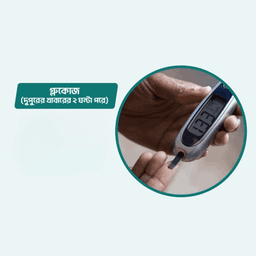
How our test process works!

This test measures blood glucose levels two hours after a standardized dinner, providing insight into postprandial glycemic control, important for diabetic management.

The Plasma Glucose 2 hours After Dinner Test aids in assessing postprandial glucose levels, crucial for detecting abnormalities like impaired glucose tolerance or diabetes. However, it carries a risk of false positives/negatives if not performed correctly or interpreted without considering other clinical factors.

Reference ranges vary based on factors like age, health status, and guidelines. Typically, values exceeding 140 mg/dL (7.8 mmol/L) may suggest impaired glucose tolerance or diabetes.

Elevated glucose levels (>140 mg/dL or 7.8 mmol/L) 2 hours post-dinner may indicate impaired glucose tolerance or diabetes, needing further evaluation. Clinical context is crucial for interpretation.

The Plasma Glucose 2 hours After Dinner Test requires a blood sample collected two hours after a standardized dinner. Venipuncture is commonly used, and the blood is analyzed for glucose levels in a laboratory.
Frequently Asked Question
The Plasma Glucose 2 Hours After Dinner test measures the level of glucose (sugar) in your blood exactly two hours after you start eating a meal. It helps to evaluate how your body processes glucose and can be used to diagnose diabetes or monitor blood sugar levels in people with diabetes.
The 2-hour mark is significant because it reflects the body's ability to handle glucose. Normally, blood sugar levels peak about one to two hours after eating and then return to pre-meal levels. High glucose levels after two hours can indicate impaired glucose tolerance or diabetes.
1. Eat a Typical Meal:Consume a meal that is representative of your usual diet.
2. Record the Start Time: Note the exact time you begin eating.
3. Fasting: There is no need to fast before the meal, but follow your doctor's instructions regarding other dietary restrictions.
After you finish eating, avoid consuming any additional food or beverages (other than water) and refrain from strenuous physical activity until after the blood sample is taken.
Normal: Less than 140 mg/dL (7.8 mmol/L)
Prediabetes:140-199 mg/dL (7.8-11.0 mmol/L)
Diabetes:200 mg/dL (11.1 mmol/L) or higher.
Diet:The type and amount of food you eat can influence glucose levels.
Physical Activity:Exercise can lower blood sugar levels.
Medications:Certain medications can affect blood sugar levels.
Illness or Stress: These can also impact glucose levels.
A healthcare professional will draw a blood sample from a vein in your arm. The blood sample is then sent to a laboratory for analysis to measure the glucose level.
This test provides important information about how your body processes glucose. It helps in diagnosing diabetes, monitoring the effectiveness of diabetes treatment, and understanding your body's response to meals.
The risks are minimal and may include slight discomfort or bruising at the site where the blood is drawn. In rare cases, more serious complications can occur.
If your results are higher than normal, your healthcare provider may recommend further testing, lifestyle changes, or medications to manage your blood sugar levels. It is important to follow their advice and maintain regular check-ups.
Report in 12 hours
Booked 3 times
Plasma glucose 2 hrs after dinner
Illuminating Metabolic Health for In-Depth Blood Sugar Assessment


৳160
৳200
20% OFF
Sample Type
blood
Fasting Required
No
Description
Plasma glucose 2 hours after dinner measures the level of glucose (sugar) in your blood two hours after eating your evening meal. It helps assess how well your body processes sugar and is commonly used to monitor diabetes management or diagnose prediabetes.
Covid Safety
Assured
Free Report
Counselling
