
A Comprehensive View of Proteomic Balance for Holistic Health Evaluation


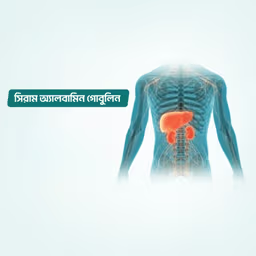
A total protein and albumin/globulin (A/G) ratio test measures the total amount of protein in your blood. There are two major types of protein in the blood: Albumin, which helps keep blood from leaking out of blood vessels. It also helps move hormones, medicines, vitamins, and other important substances throughout the body.

Covid Safety
Assured

Free Report
Counselling
Recommended for You


How our test process works!

The Total Protein test measures the combined amount of two major classes of proteins in the blood: albumin and globulin. Proteins are essential for various body functions, including immune defense, tissue repair, and transport of substances in the blood. This test is commonly used to assess overall health, liver function, kidney function, and nutritional status.

Risk Assessment
-
Indications for the Test:
- Evaluation of liver or kidney disease
- Assessment of nutritional status
- Investigation of chronic illnesses or infections
- Diagnosis of protein-related disorders (e.g., multiple myeloma, hypoproteinemia)
-
Factors Affecting Total Protein Levels:
- Liver or kidney dysfunction
- Infections or inflammation
- Dehydration or overhydration
- Malnutrition or malabsorption disorders.

Normal Range
-
General Reference Range:
- Adults: 6.0–8.3 g/dL (grams per deciliter)
- Children: 6.2–8.0 g/dL
Note: Reference ranges may vary by laboratory.

Interpretation of Results
-
High Total Protein:
- Dehydration (concentrates proteins in the blood)
- Chronic infections or inflammation
- Certain cancers (e.g., multiple myeloma, Waldenström's macroglobulinemia)
- Autoimmune disorders (e.g., lupus, rheumatoid arthritis)
-
Low Total Protein:
- Liver disease (e.g., cirrhosis, hepatitis)
- Kidney disease (e.g., nephrotic syndrome, proteinuria)
- Malnutrition or malabsorption (e.g., celiac disease, Crohn's disease)
- Severe burns or trauma.

Sample Type
- Specimen Required:
- Blood sample (serum)
- Collected via venipuncture (typically from the arm).
Frequently Asked Question
Total Protein
A Comprehensive View of Proteomic Balance for Holistic Health Evaluation


A total protein and albumin/globulin (A/G) ratio test measures the total amount of protein in your blood. There are two major types of protein in the blood: Albumin, which helps keep blood from leaking out of blood vessels. It also helps move hormones, medicines, vitamins, and other important substances throughout the body.
Covid Safety
Assured
Free Report
Counselling
