
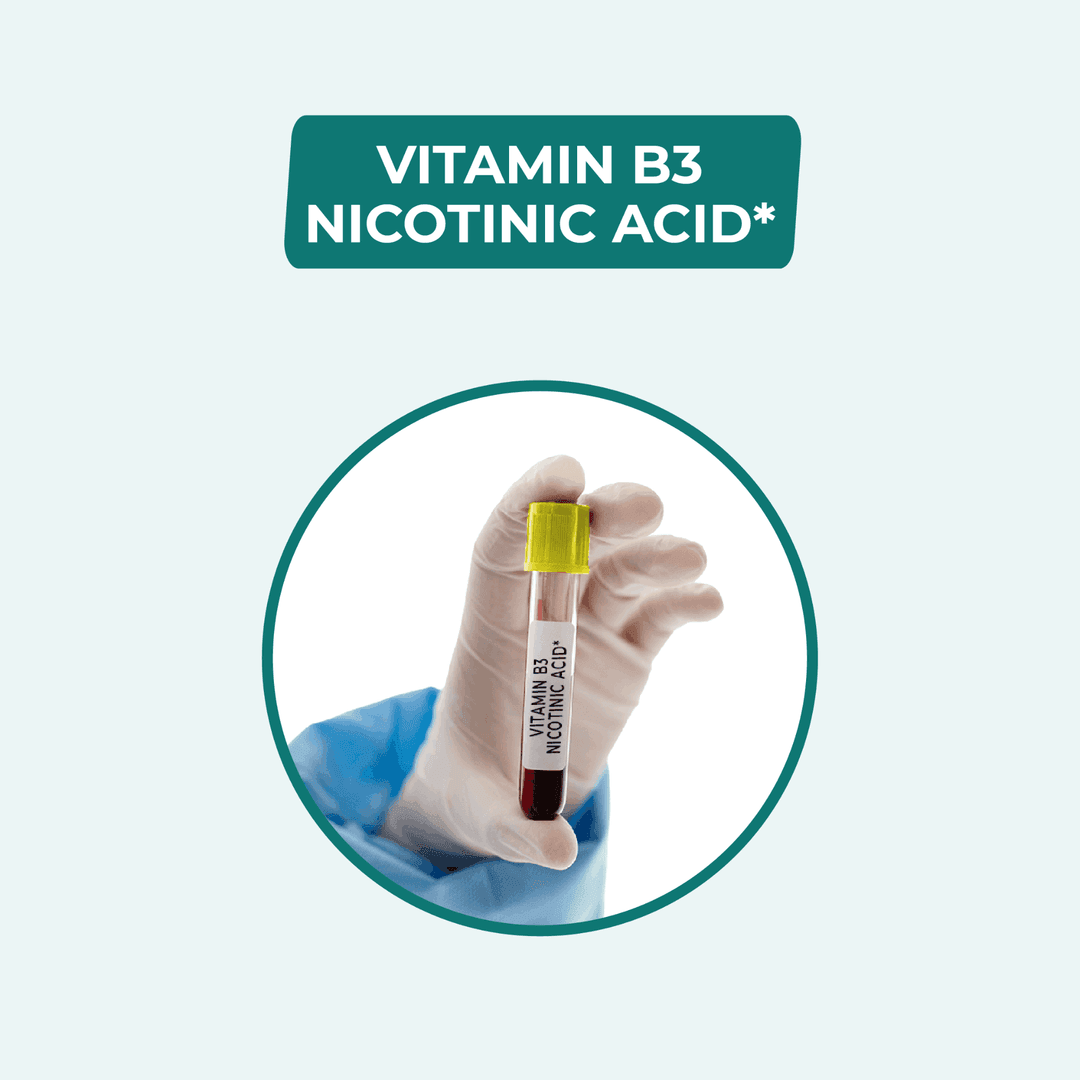
Assessment of Vitamin B3 levels for metabolic and neurological health.


The Vitamin B3 (Nicotinic Acid) test measures the level of niacin (vitamin B3) in the blood to assess deficiencies or excess, which can impact metabolism, skin health, and nervous system function.

Covid Safety
Assured

Free Report
Counselling
Recommended for You


How our test process works!

Overview
Vitamin B3, also known as niacin or nicotinic acid, plays a crucial role in metabolism, DNA repair, and nervous system function. Testing for Vitamin B3 levels is rare and is typically done when there are signs of deficiency or toxicity.

Risk Assessment
A Vitamin B3 test may be ordered if you have symptoms of:
- Deficiency (Pellagra):
- Dermatitis (scaly, inflamed skin)
- Diarrhea
- Dementia
- Weakness and fatigue
- Toxicity (Excessive Intake):
- Flushing
- Liver toxicity
- Gastrointestinal distress
- Low blood pressure
Other conditions that may prompt testing include:
- Malnutrition
- Chronic alcoholism
- Malabsorption syndromes (e.g., Crohn’s disease)
- High-dose niacin supplementation (e.g., for cholesterol management).

Normal Range
The normal reference range for Vitamin B3 levels in blood is not well standardized but is generally:
- Serum Niacin (Vitamin B3): 0.50 - 8.45 µg/dL (may vary by lab)
- Urinary Niacin Metabolites: Used for functional assessment.

Interpretation of Results
- Low levels: Suggest deficiency, possibly due to poor diet, alcoholism, or malabsorption.
- High levels: Can occur due to supplementation, liver dysfunction, or metabolic disorders.

Sample Type
- Blood Sample: Collected via venipuncture
- Urine Sample: Sometimes used for niacin metabolite testing.
Frequently Asked Question
VITAMIN B3/NICOTINIC ACID
Assessment of Vitamin B3 levels for metabolic and neurological health.


The Vitamin B3 (Nicotinic Acid) test measures the level of niacin (vitamin B3) in the blood to assess deficiencies or excess, which can impact metabolism, skin health, and nervous system function.
Covid Safety
Assured
Free Report
Counselling
